
Table of Contents
ToggleIf you’re building a smart home around Google Home, smart bulbs are one of the quickest wins you can make. They’re easier to install than rewiring a room, cheaper than a full home automation setup, and they deliver immediate convenience. But with dozens of options claiming compatibility, brightness levels measured in lumens, color temperatures spanning warm to cool, and price points ranging from budget-friendly to premium, choosing the right bulbs can feel overwhelming. This guide cuts through the noise and walks you through the best smart bulbs for Google Home integration, what matters when you’re comparing options, and how to set everything up without a hitch.
Key Takeaways
- Top smart bulbs for Google Home include Philips Hue (premium, flicker-free dimming), LIFX (budget-friendly, direct Wi-Fi), Wyze (under $10, reliable), and GE Cync for mid-range value.
- Verify compatibility by confirming native Google Home support, checking connection standards (Wi-Fi, Bluetooth, or Thread), and testing one bulb before bulk purchasing to avoid setup issues.
- Choose brightness by lumens, not watts: 800 lumens suffices for general lighting, while task areas need 1,000+ lumens; tunable white bulbs offer flexibility without the cost of full-color options.
- Setup is straightforward—screw in the bulb, pair via manufacturer’s app, then link to Google Home—taking just minutes and requiring no rewiring or professional installation.
- Mid-range smart bulbs ($15–$25 per bulb) deliver the best value for most homes, offering 25,000+ hour lifespans, smooth dimming, and longer warranties versus budget alternatives.
Top Smart Bulb Picks For Google Home Integration
When shopping for smart bulbs that work flawlessly with Google Home, a handful of standouts consistently deliver solid performance and reliability. Philips Hue bulbs remain the gold standard, they offer excellent color accuracy, dimming without flicker, and a huge ecosystem of accessories. They’re pricier upfront, but their longevity and consistent updates justify the investment for most users. If you’re looking for a more budget-conscious option without sacrificing too much, LIFX bulbs are fantastic. They don’t require a separate hub, connect directly to your Wi-Fi, and play nicely with Google Home out of the box. For renters or anyone who wants a no-commitment installation, Wyze bulbs deliver surprising quality at under $10 per bulb. They’re straightforward, reliable, and handle dimming smoothly.
GE Cync bulbs (formerly Savant) offer solid mid-range value with good color options and straightforward setup. Nanoleaf Essentials are newer to the game but gaining traction fast, they support Thread for extra stability and offer modular lighting options if you want to get creative. Smart Home Devices Installation guides can walk you through setup specifics for any of these options. For apartment dwellers or anyone leery of permanent changes, Smart Home Devices for Apartments highlights bulbs that work without needing WiFi overhauls. The truth is, any of these bulbs will integrate with Google Home, it’s the secondary features, price, and ecosystem size that separate them.
Compatibility Essentials: Ensuring Your Bulbs Work Seamlessly With Google Home
Not every “smart bulb” plays nice with Google Home right out of the box, so compatibility is your starting point. First, confirm the bulb supports Google Home natively, check the product listing or manufacturer website. Some bulbs require a separate hub (Philips Hue needs the Hue Bridge), while others connect directly to your Wi-Fi. Direct Wi-Fi bulbs are simpler to set up but may struggle if your router is far away or if you have signal dead zones.
Second, verify the connection standard. Most current bulbs use Wi-Fi or Bluetooth: some newer models support Thread, a mesh protocol that bounces signals through compatible smart home devices for better range and reliability. If you already own Thread-compatible devices like a Google Nest Hub Max or certain smart displays, Thread bulbs could be worth considering, though they’re not essential.
Third, check if the manufacturer’s app integrates with Google Home. When you link accounts in the Google Home app, you’re delegating control to that manufacturer’s service. This means if their servers go down, your lights might not respond to voice commands, a minor annoyance, but worth knowing. Finally, test in person before committing to a bulk order. Buy one or two bulbs, set them up, and confirm they respond to “Hey Google, dim the lights” before investing in a whole-house retrofit. According to Digital Trends, compatibility hiccups often stem from router settings or mesh network interference, not the bulbs themselves.
Key Features To Consider Before You Buy
Beyond compatibility, a few core features separate mediocre smart bulbs from ones you’ll actually enjoy using. Understanding these specs will save you frustration and buyer’s remorse.
Color Range And Brightness Options
Brightness is measured in lumens, not watts, this trips up most first-time smart bulb buyers. A typical 60-watt incandescent bulb puts out about 800 lumens. Most smart bulbs come in 60W-equivalent (around 800 lumens), 75W-equivalent (roughly 1,100 lumens), or 100W-equivalent (about 1,600 lumens). For general room lighting, 800 lumens is fine: for task lighting (kitchen counters, desks), you want 1,000+ lumens.
Color matters too. Tunable white bulbs adjust from warm (2,700K, cozy, yellowish) to cool (5,000K+, bright, bluish) light. This is handy for shifting your lighting mood or aligning with your circadian rhythm throughout the day. Full-color bulbs (like Philips Hue or LIFX Color A19) can produce millions of colors for accent lighting or ambiance, but they cost more and run through color-changing modes quickly in real life, many people set them to white and forget the color feature exists. For most rooms, tunable white is the smarter choice. Good Housekeeping’s product tests consistently recommend tunable white for flexibility without unnecessary complexity.
Energy Efficiency And Lifespan
Smart bulbs use LED technology, which sips power compared to old incandescent or halogen bulbs. Most run at 8–15 watts to produce 800–1,100 lumens, cutting your electricity bill noticeably if you’re replacing older bulbs. Look for bulbs rated ENERGY STAR certified, they meet strict efficiency standards and often qualify for utility rebates.
Lifespan is another consideration. Quality LED smart bulbs are rated for 25,000–50,000 hours of use (that’s 10–20+ years at normal use). Budget brands sometimes cut corners and drop to 15,000 hours. Since you’re paying a premium for smart bulbs anyway (typically $15–$30 per bulb versus $3 for a dumb LED), buying bulbs rated for 25,000+ hours makes financial sense. Warranties also vary, Philips Hue offers 2–3 years: cheaper brands often cap out at 1 year. A longer warranty indicates the manufacturer stands behind the product’s reliability.
Installation And Setup: Getting Your Smart Bulbs Running
Setup is where smart bulbs shine, it’s genuinely simple, even for non-tech-savvy folks. Here’s the process:
Step 1: Screw the bulb into an existing light fixture. No rewiring, no electrician needed. Just unscrew the old bulb and twist in the new one, the same way you’d change any lightbulb. If your fixture has a dimmer switch, check if the bulb is dimmable, most smart bulbs are, but confirm on the package to avoid flickering.
Step 2: Download the manufacturer’s app (Philips Hue, LIFX, Wyze, etc.) and create an account. The app walks you through pairing the bulb to your home Wi-Fi. You’ll need your Wi-Fi name and password. The bulb blinks while searching for the network: once connected, the app confirms it.
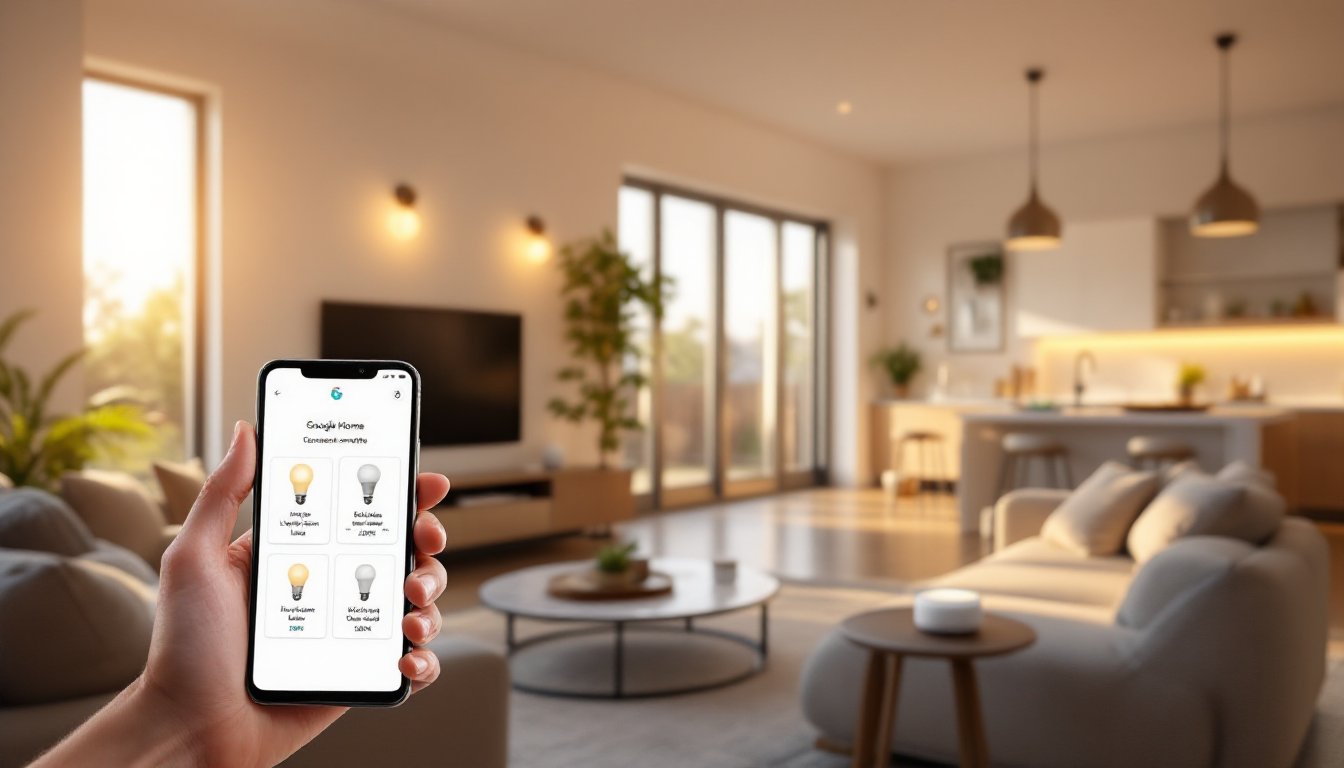
Step 3: Open the Google Home app. Tap the plus (+) icon, select “Set up device,” choose “Works with Google,” and search for the bulb manufacturer (“Philips Hue,” “LIFX,” etc.). Sign in with the account you created in Step 2 and authorize Google Home to control those bulbs.
Step 4: Name your bulbs logically, “Living Room Lamp,” “Kitchen Overhead,” etc. Google Home uses these names when you give voice commands.
Pro tip: If you’re setting up multiple bulbs at once, do one bulb completely through all steps before adding the next. Trying to pair three bulbs simultaneously to your Wi-Fi can cause connection drops. Smart Switches: Revolutionize Your Home Lighting also covers coordinating bulbs with dimmers and switches if you want more advanced control. Smart Home Devices for Seniors discusses accessibility features that benefit everyone, including voice control and gentle brightness ramping. Troubleshooting is rare, but if a bulb won’t connect, restart both the bulb (flip the wall switch off for 5 seconds, then back on) and your Wi-Fi router.
Budget Comparison: Finding The Right Price Point For Your Home
Smart bulb pricing varies wildly, and understanding where to invest makes sense. Budget tier ($8–$15 per bulb): Wyze, Treatlife, and off-brand options from Amazon Basics. These bulbs work reliably with Google Home and offer basic dimming and color temperature control. Lifespan is often shorter (15,000–20,000 hours), and app features are stripped down. They’re ideal for rental properties or trying smart lighting before committing.
Mid-range ($15–$25 per bulb): GE Cync, LIFX, and some Philips Hue bulbs (non-color models). Here’s where you get solid build quality, longer warranties, better dimming performance, and responsive apps. Most of these bulbs hit 25,000+ hours rated lifespan. This tier offers the best value for most homes.
Premium ($25–$45+ per bulb): Philips Hue Color bulbs, high-end Nanoleaf, and specialty options. Premium pricing buys exceptional color accuracy, advanced features like adaptive lighting or scene scheduling, and ecosystem integration (Hue works with Alexa, Apple HomeKit, and Amazon), plus rock-solid reliability over years of heavy use.
For a typical home (10–15 bulbs), budget tier costs $80–$225: mid-range runs $150–$375: premium hits $250–$675+. Most homeowners find mid-range the sweet spot, reliable, feature-rich, and not bleeding the wallet. If you’re outfitting a rental or trying smart lighting for the first time, start with budget bulbs in one or two rooms. If you’re building a long-term setup in your own home, mid-range to premium bulbs justify their cost over 10+ years of reliability. According to Tom’s Guide’s smart lights review, durability and dimming smoothness consistently correlate with price, cheaper bulbs flicker during dimming, while quality bulbs fade seamlessly. Best Smart Home Devices for Elderly highlights options that balance cost with user-friendliness, which applies across all budgets.