
Table of Contents
ToggleA king size sleeper sofa is a smart investment for homeowners juggling multiple needs, guest accommodation, everyday seating, and floor space constraints. Unlike smaller sleeper models, king size versions offer a full sleeping surface without the cramped feel, making them ideal for visitors or second living areas. Whether you’re furnishing a studio apartment, guest room, or multipurpose den, understanding what to look for in a king size sleeper sofa will help you find a piece that balances comfort, durability, and your room’s aesthetic. This guide walks you through the essentials: dimensions, materials, style options, placement strategies, and maintenance best practices.
What Is a King Size Sleeper Sofa?
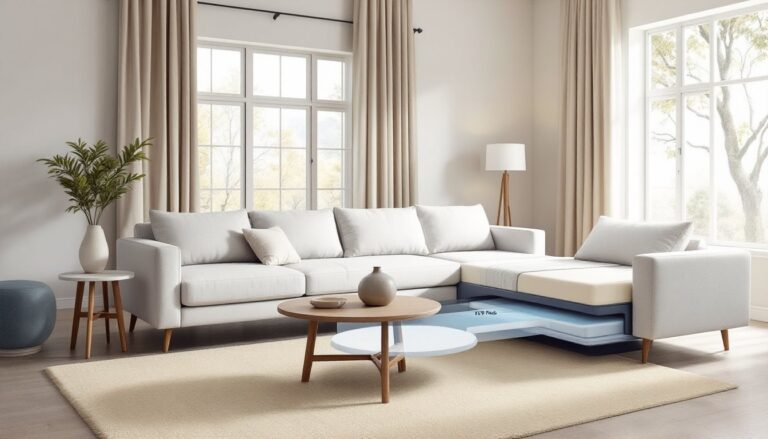
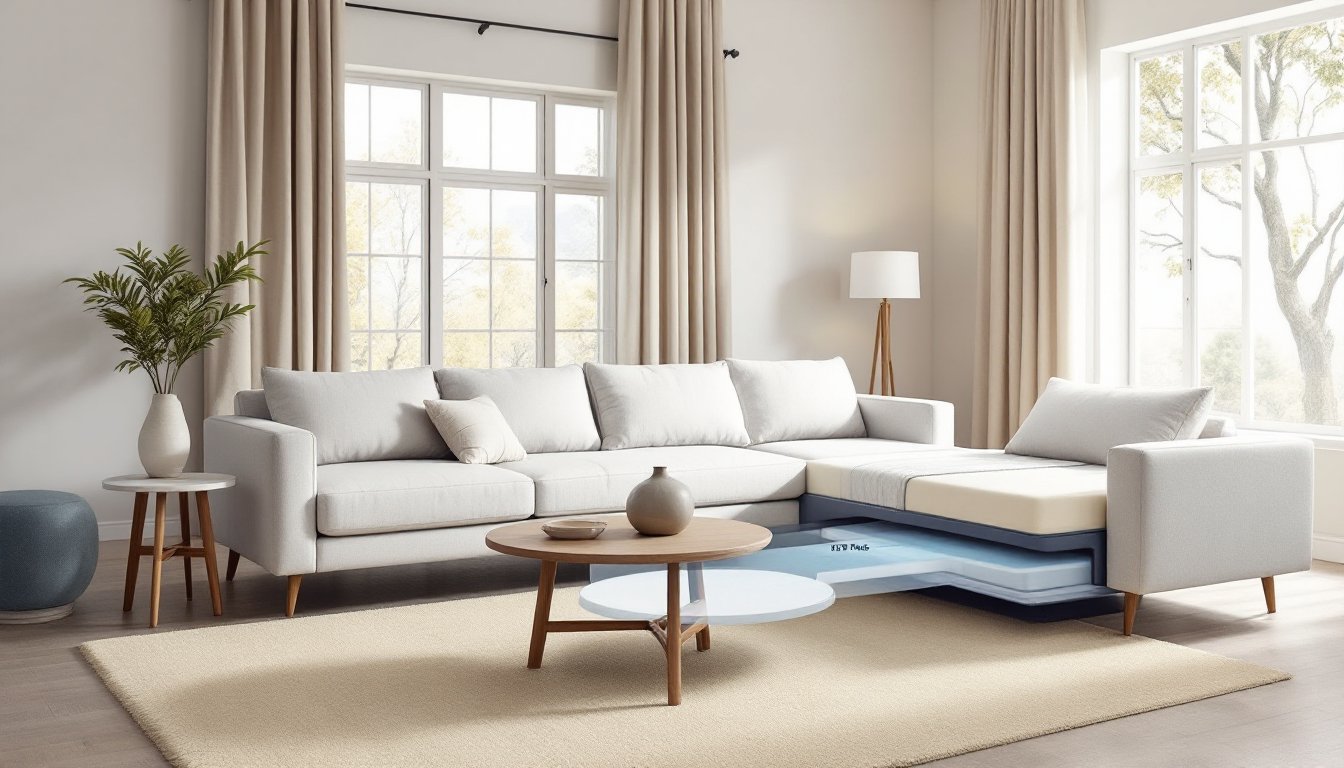
A king size sleeper sofa is a hybrid furniture piece that combines a standard sofa’s seating function with a hidden bed mechanism, typically a pull-out or folding frame that converts the seat cushions into a sleeping surface. The finished bed dimensions should match or closely approximate a standard king bed: 76 inches wide by 80 inches long.
What sets king size models apart from queen or full-size sleepers is the spacious sleep surface and more generous seating area. They’re built to accommodate couples comfortably or provide ample space for a single sleeper who values room to stretch. The mechanics vary: some use a sturdy pull-out frame with mattress, others employ a sectional-style foldout, and premium versions feature air beds or gel-foam systems that inflate or adjust via remote control.
The trade-off is footprint and weight. A king sleeper typically occupies 90–100 inches of floor space when fully opened, and unfolded weight ranges from 150 to 400+ pounds depending on the mechanism and frame construction. Before committing, measure doorways, hallways, and the intended room to ensure the piece can be delivered and positioned.
Key Features and Dimensions to Consider
Selecting a king size sleeper sofa requires attention to practical specifications beyond aesthetics. The following features directly impact usability and longevity.
Mattress Type and Thickness: The mattress quality determines sleep comfort. Budget models use 4–6 inch innerspring or low-density foam, adequate for occasional guests. Mid-range options feature 7–8 inch memory foam or hybrid systems that balance support and durability. Premium models include gel-infused foam, pillow-top construction, or even full innerspring units comparable to standalone mattresses, these cost more upfront but outlast cheaper alternatives.
Frame Construction: Look for kiln-dried hardwood frames (avoid particleboard, which warps and weakens over time). The mechanism itself, whether a scissor-style pull-out, floating frame, or air bed system, should operate smoothly after 500+ open-close cycles. Metal frames with locking arms prevent collapse during use.
Upholstery Durability: Fabric choice affects both aesthetics and wear. Microfiber resists staining and works well in high-traffic homes. Linen and cotton blends offer a softer, more upscale feel but require more frequent cleaning. Leather (genuine or faux) is durable and easy to wipe clean, though it can feel cold and requires conditioning. Avoid lightweight polyester blends, they pill and fade quickly.
Standard Measurements and Sleeping Surface
Dimensions vary slightly between brands, but standard specs are:
- Sleeping surface (bed open): 76″ W × 80″ L (true king size)
- Sofa footprint (closed): 90–100″ W × 40–45″ D (account for pillows adding depth)
- Arm height: 24–26″ from floor (affects sight lines and usability)
- Seat height: 16–18″ from floor (lower = more difficult to rise: higher = more comfortable for long sitting)
- Overall height (sofa mode): 32–36″ (ensure it fits under windows or next to shorter furniture)
Measure your room carefully. King sleepers work best in rooms at least 12 feet wide and 14 feet deep to avoid a cramped feel when the bed is extended. If your space is tight, consider a queen sleeper or sectional instead.
Choosing the Right Sleeper Sofa for Your Home
Balancing budget, comfort, and décor requires honest assessment of how you’ll actually use the piece.
Usage Frequency: Do guests stay weekly, monthly, or once a year? If you’re hosting 2–3 times per month, invest in a mid-to-premium mattress: the cost pays off in durability and guest comfort. For rare visitors, a basic foam mattress is adequate, you’re not paying for nightly use.
Your Room’s Aesthetic: King sleepers come in every style imaginable, modern minimalist, transitional, mid-century, rustic, and traditional. Pick something that complements your existing furniture and wall color, not a showstopper that dominates the room. Neutral tones (gray, beige, charcoal) hide wear and work across décor changes. Bold colors or patterns are fun but harder to coordinate long-term.
Budget Reality: Entry-level king sleepers range from $800–$1,500: mid-range models run $1,500–$3,000: premium options exceed $3,000. Financing through retailers is common, but read terms carefully, APR and duration affect true cost. Don’t assume the cheapest option saves money: a sofa that re-foams or sags within three years is a false economy.
Style, Material, and Comfort Options
When you browse, prioritize these comfort and material factors:
Mattress Feel: Test the bed mechanism in-store if possible. A pull-out frame should glide smoothly without jerking. Air beds should feel firm without being rock-hard. Memory foam should contour without feeling like you’re sinking into quicksand, 5–6 pounds density is the sweet spot.
Cushion Support: Sofa cushion fill matters for sitting comfort. High-resiliency foam or down-wrapped cushions keep their shape longer than budget polyester. Removable, washable cushion covers are a plus for stain management.
Upholstery Testing: Rub the fabric firmly, if fibers bunch or pill immediately, move on. Check seams for tightness: loose stitching invites unraveling. Look at resources like Apartment Therapy for real-world photos of how sleeper sofas perform over time in actual homes.
Leg and Base Style: Metal or wooden legs affect both durability and aesthetics. Wooden legs should be solid, not veneer over particleboard. Metal bases must be stable: wiggle-test at the showroom.
Design Integration and Room Placement Tips
A king sleeper sofa is a statement piece. Smart placement and styling make it feel intentional rather than crammed in.
Focal Point Placement: Position the sofa opposite a window, TV, or fireplace so it anchors the room visually. If it’s a sectional sleeper, angle it slightly to define the conversation area without blocking traffic flow. Avoid pushing it flat against a wall, a 6–12 inch gap lets air circulate and makes the room feel larger.
Color and Pattern Pairing: A neutral sleeper works with most color schemes, but layer in personality through throw pillows, a rug, or wall art. If you choose a patterned or colored sofa, keep walls and large adjacent furniture neutral, too many competing patterns read as chaotic. Platforms like Houzz showcase thousands of living room layouts where sleepers integrate seamlessly: browsing category searches like “king sleeper sofa living room” or “studio apartment sleeper furniture” sparks realistic design ideas.
Rug and Coffee Table Scale: A sleeper sofa is large: balance it with a rug at least 8×10 feet (leaves a border around the perimeter, doesn’t feel cramped). A coffee table in front should be 36–48 inches wide and 18–24 inches deep, proportional but not dwarfed.
Lighting and Sightlines: Ensure reading or ambient light reaches the sofa. Place a floor lamp beside the arm or a table lamp on a side table nearby. This improves both functionality and coziness for evening lounging or reading.
Open-Up Clearance: King sleepers need at least 48 inches of clear space in front to pull out or unfold fully without bumping furniture. If your room is tight, measure the extended bed footprint and ensure guests won’t stumble over it at night.
For ideas on integrating multifunctional furniture into small spaces, resources like IKEA Hackers share clever workarounds, some people add a platform or use storage ottomans to hide the sleeper mechanism partially, creating visual interest while maximizing function.
Maintenance and Care Guidelines
A king sleeper sofa is a multi-hundred-to-thousand-dollar investment: proper care extends its lifespan by years.
Regular Vacuuming: Vacuum cushions and crevices weekly if guests are frequent, monthly otherwise using an upholstery attachment. Dirt and dust embed into fibers and accelerate wear. Don’t forget the underside of the sofa and inside the bed mechanism, crumbs and debris accumulate there.
Stain Removal: Blot spills immediately, don’t rub, which pushes liquid deeper. Use a mild dish soap and water solution (1 teaspoon soap per cup of water) and test on a hidden area first. For stubborn stains, a fabric-specific cleaner like Woolite or Resolve works, but follow label directions. Once or twice a year, hire professional upholstery cleaning if the sofa sees heavy use.
Mattress Care: Flip or rotate the mattress every 3–6 months if it’s a pull-out type, reducing uneven wear. Vacuum the underside to remove dust and allergens. Use a mattress protector, a waterproof, fitted cover prevents liquids from seeping into the foam or springs and adds years of life.
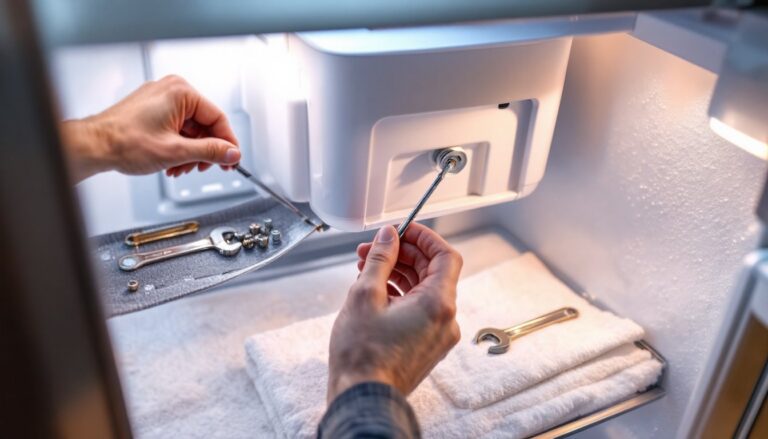
Mechanism Maintenance: Lubricate sliding tracks and hinges with a silicone spray lubricant (like WD-40) every 6–12 months, especially if the sofa is used frequently. Wipe away excess to prevent dirt accumulation. Check bolts and fasteners annually and tighten as needed.
Cushion Fluffing: Punch and knead cushions regularly to redistribute fill and prevent permanent body impressions. Rotate and flip cushions if the cover allows, wear spreads more evenly.
Pet and Child Proofing: If you have pets or young children, use a washable throw blanket to protect the upholstery, or consider a performance fabric (Crypton or Sunbrella) that resists staining and odor from the outset, costs slightly more but pays dividends in durability.
Climate Control: Keep the sofa in a temperature-stable, low-humidity environment. Extreme heat or moisture causes foam to degrade, wood to warp, and metal components to rust. Avoid placing it near radiators, heat vents, or direct sunlight, which fades color over time.