
Table of Contents
ToggleSmart home technology isn’t just a luxury anymore, it’s becoming the standard way homeowners control their living spaces. Bosch Smart Home stands out as a reliable, user-friendly platform that connects lighting, security, heating, and energy management into one cohesive system. Whether you’re a DIY enthusiast looking to upgrade your house or a homeowner seeking to reduce energy bills while boosting security, Bosch Smart Home delivers practical automation without the complexity of enterprise-grade systems. This 2026 guide walks you through what Bosch Smart Home is, how to set it up, and why it matters for your home.
Key Takeaways
- Bosch Smart Home is a modular, wireless platform that connects lighting, security, heating, and energy management without proprietary lock-in, using Z-Wave protocols for flexibility as your system grows.
- Local-first architecture processes most automations offline on the hub, improving privacy and response time while keeping core features running even during internet outages.
- Smart thermostat and radiator controls can save $20–40 monthly on heating costs in cold climates, with energy savings typically offsetting system costs within two to four years.
- Setup requires minimal electrical work—wireless components pair via app codes, smart switches connect to existing terminals, and most installations take under an hour without hiring electricians.
- Bosch Smart Home integrates with voice assistants and security cameras, enabling motion-triggered recording, geofencing automation, and remote door control for enhanced convenience and peace of mind.
- The system supports both renters and permanent homeowners through flexible, non-permanent wireless installation that adapts to changing living situations and scales from basic sensors to full home automation.
What Is Bosch Smart Home and Why It Matters
Bosch Smart Home is a modular, open-standard home automation platform designed for homeowners who want control without complexity. Unlike locked-down systems that force you into one brand’s ecosystem, Bosch operates on protocols like Z-Wave and supports integration with other smart devices, giving you flexibility as your setup grows.
The system centers on a hub, the Bosch Smart Home Controller, that communicates with wireless sensors, switches, thermostats, and cameras throughout your home. You control everything from a mobile app, or set up automation rules so devices respond without manual input. When motion is detected, lights turn on. When you leave home, the system locks doors and adjusts heating. When sunrise arrives, blinds open automatically.
For homeowners tired of managing multiple apps or dealing with proprietary wiring, Bosch’s wireless approach removes the need to run new electrical lines or hire electricians for basic setup. The platform prioritizes local processing (your hub handles most decisions offline) rather than relying entirely on cloud servers, which improves privacy and response time. This hybrid approach matters if your internet drops: core automations keep running. When reviewing 20 best smart home devices of 2024, expert testers consistently praise Bosch’s balanced approach to convenience and reliability.
Core Features and Capabilities
Bosch Smart Home packs a lot into a compact system. The hub itself is small enough to fit on a shelf or mount in a cabinet, and setup takes less than an hour for most users. From there, you add components based on your needs: smart switches replace existing wall switches, wireless door/window sensors mount without drilling into frames, and smart thermostats integrate with furnaces or heat pumps. The app provides a single dashboard where you can see all devices, group them by room, and create conditional automations. If temperature drops below 62 degrees and nobody’s home, the system can boost heat. If the front door opens after 11 PM, security cameras begin recording automatically.
Bosch also integrates with voice assistants like Amazon Alexa and Google Home, so you can control lights or check door locks with voice commands. For those who care about privacy, Bosch’s local-first architecture means your lighting schedules and automation logic don’t leave your home unless you explicitly share data with cloud services.
Security and Safety Solutions
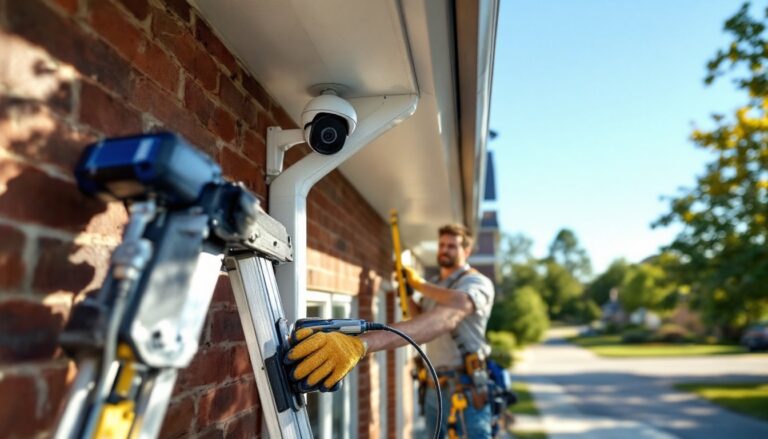
Security sits at the heart of Bosch’s platform. Smart door and window sensors alert you instantly if entry points open when armed. Wireless smart locks let you unlock doors remotely, grant temporary access codes to guests or contractors, and log who entered and when. The integration with cameras (or third-party cams like Logitech Circle View) means motion detection can trigger recording or send push notifications to your phone.
For safety, distinct from security, Bosch offers wireless smoke and CO detectors that report to the hub. If one triggers, the system can flash lights in other rooms, unlock doors for faster evacuation, and send alerts to your phone and designated contacts. Building codes vary by jurisdiction, so check your local fire marshal’s requirements: some areas require hardwired detectors, while wireless units suffice elsewhere. A licensed electrician can advise whether you need to complement wireless detectors with code-compliant wired models.
The system also supports geofencing, meaning you can trigger “I’m home” and “Goodbye” scenes based on smartphone location. When the last person leaves, the system locks up, arms sensors, and lowers heating. When the first person arrives, lights turn on, heating ramps up, and doors unlock.
Energy Management and Efficiency
Energy control is where Bosch Smart Home shines for cost-conscious homeowners. The smart thermostat learns your schedule and adapts heating and cooling to reduce waste. Radiator thermostats (individual room controls, not whole-house) let you heat only occupied spaces, cutting energy use by 10–15% on average according to field data from Bosch trials.
Bosch integrates with smart plugs that meter power consumption, so you can see which devices consume the most electricity. Automation rules can turn off phantom loads, devices drawing power while in standby, at specific times or when no one’s home. The app shows daily and monthly energy use, helping you spot inefficiencies. If you have solar panels or an EV charger, Bosch’s integration allows you to optimize charging times during peak solar output or off-peak utility rates.
For heating systems specifically, proper setup matters. Your HVAC contractor should commission the smart thermostat to match your system’s specs (gas furnace, heat pump, radiant heating, etc.): a mismatch can cause short-cycling or inefficiency. This isn’t a DIY step, get a pro involved.
Setting Up Your Bosch Smart Home System
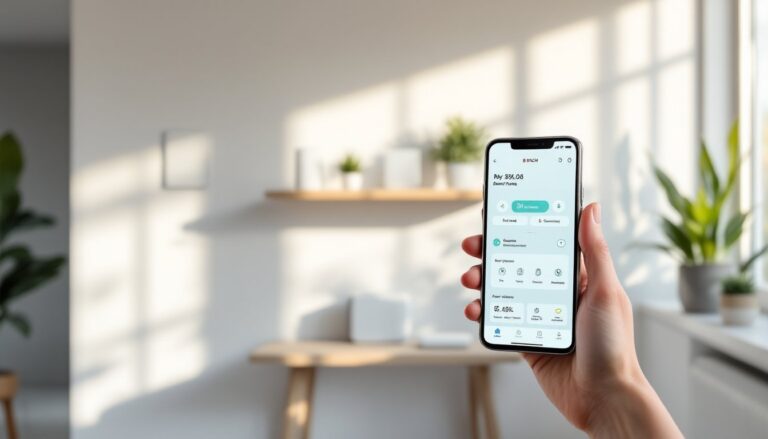
Setup begins with the hub. You’ll connect it to power and your home Wi-Fi, then download the Bosch Smart Home app (available on iOS and Android). The app guides you through pairing the hub with your phone and setting up a user account. This takes 10 minutes.
Next, you add devices. Each wireless component, switch, sensor, or thermostat, has a unique pairing code printed on it. When you add a device in the app, you scan the code or manually enter it, and the device joins your home’s network. Bosch uses Z-Wave Plus, a reliable long-range protocol, so devices communicate reliably even through walls and floors. For a 2,500-sq-ft home, one hub usually covers the entire space: larger homes or those with thick stone walls might need a signal extender.
Installing a smart switch is straightforward: turn off power at the breaker, remove the existing switch, and connect the smart switch’s wires to the same terminals (line in, load out). No additional wiring needed if your current switch is a simple on-off model. For three-way switches (controlling one light from two locations), the setup is more complex and may require an auxiliary switch. If you’re uncomfortable working with 120V electrical, hire a licensed electrician, this is one area where mistakes matter.
For thermostats, compatibility depends on your HVAC system. A boiler, forced-air furnace, and heat pump each have different wiring requirements. Bosch’s compatibility checker in the app tells you if your system works with their thermostat before you buy. Installation usually involves replacing the old thermostat and connecting a handful of wires. Turn off power, note wire positions, and follow Bosch’s wiring diagram exactly. If your system uses uncommon controls or you’re uncertain, a furnace technician should handle it.
Once devices are installed and paired, the real value emerges in automation. Create a scene called “Good Night”, lights off, doors locked, heating lowered, that runs with one tap or at 10 PM automatically. Build a “Movie Mode” that dims lights and silences notifications. These automations run locally on the hub, so they work even if the internet goes out. For more complex integrations with smart thermostats or energy data, you can link Bosch to other platforms like smart home devices installation services that handle multi-system setups. Many homeowners also consult smart switches guides to understand lighting automation before investing in multiple switch replacements.
Real-World Benefits for Homeowners
The practical payoff of Bosch Smart Home varies by use case. Renters or apartment dwellers value the wireless, non-permanent nature of the system, move to a new place, uninstall devices, and take the setup with you. This flexibility aligns with the growing interest in smart home devices for apartments, where landlords often restrict wiring changes.
Homeowners with mobility challenges or elderly residents benefit from voice control and automation that reduces the need to manually operate lights, locks, and thermostats. Automating everyday tasks increases independence and safety. If aging-in-place is a concern, compare Bosch’s accessibility features against competitors covered in smart home devices for seniors guides.
Energy savings often offset costs within two to four years. A smart thermostat and radiator controls can save $20–40 monthly on heating in cold climates: in moderate climates, savings are smaller but still meaningful. Over a 10-year lifespan, that adds up. Paired with an energy audit (available from many utilities), automation targets the biggest energy drains.
Remote monitoring is invaluable for travel or checking on rental properties. Lock the door remotely, see if a contractor arrived on time, or verify that guests closed windows before a storm. According to recent reviews on Tom’s Guide, homeowners specifically mention peace of mind as the biggest non-financial benefit.
Security improvements come from detailed logging and smart detection. Rather than wondering if you locked the door, you see confirmation in the app. Cameras record only on motion or when doors open, not 24/7, reducing storage and privacy concerns. This targeted approach is why how to secure your smart home devices has become essential reading as more families deploy sensors and cameras.
For serious DIYers, the appeal also lies in expandability. Start with a hub and a few sensors, then add switches, thermostats, and cameras as time and budget allow. The system grows with your needs rather than forcing an all-or-nothing purchase. A smart home maintenance checklist helps keep devices running smoothly, firmware updates, battery checks, and sensor cleaning ensure reliability.
Conclusion
Bosch Smart Home delivers the automation and control that modern homeowners expect without the complexity or lock-in of proprietary platforms. Its local-first design, wireless flexibility, and strong security and energy features make it a smart choice for anyone ready to upgrade. Start small, learn the system, then expand. That’s how a smart home truly becomes useful instead of just shiny.