Table of Contents
ToggleImagine walking into a home that greets you like a long-lost friend. With smart home devices, that dream can become a reality. These gadgets not only add a sprinkle of convenience to daily life but also transform a regular house into a tech-savvy haven. From voice-activated assistants to smart thermostats that know when to kick into gear, the possibilities are endless.
Understanding Smart Home Devices
Smart home devices significantly enhance daily life by integrating technology into everyday tasks. These devices provide improved convenience, efficiency, and security within homes.
Types of Smart Home Devices
- Voice-Activated Assistants: Devices like Amazon Echo and Google Home allow users to control smart gadgets using voice commands.
- Smart Thermostats: Products such as Nest and Ecobee optimize heating and cooling systems, leading to energy savings.
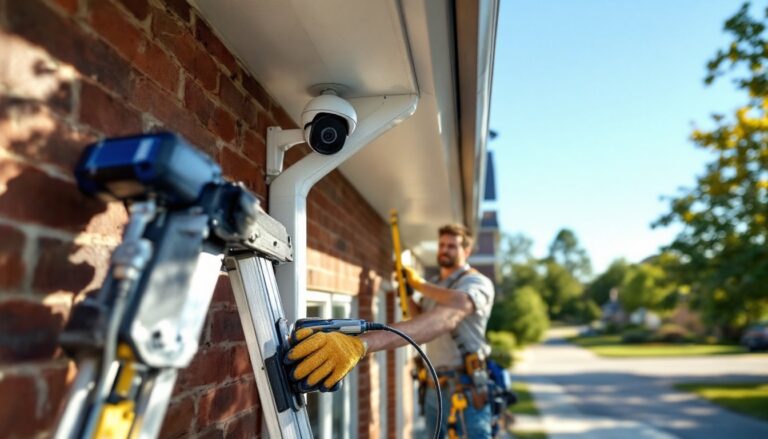
- Smart Security Cameras: Brands like Ring and Arlo offer remote monitoring capabilities through smartphone apps.
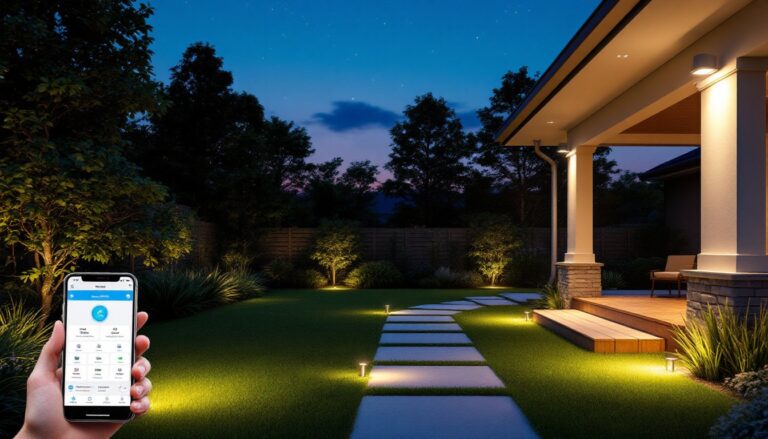
- Smart Lighting: Philips Hue and LIFX allow users to adjust brightness and color via mobile devices.
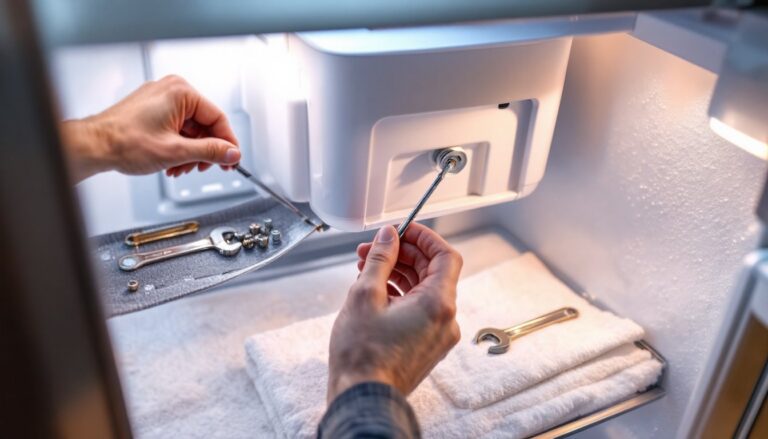
- Smart Appliances: Refrigerators, ovens, and washers with connectivity features improve communication and functionality.
Benefits of Installing Smart Home Devices
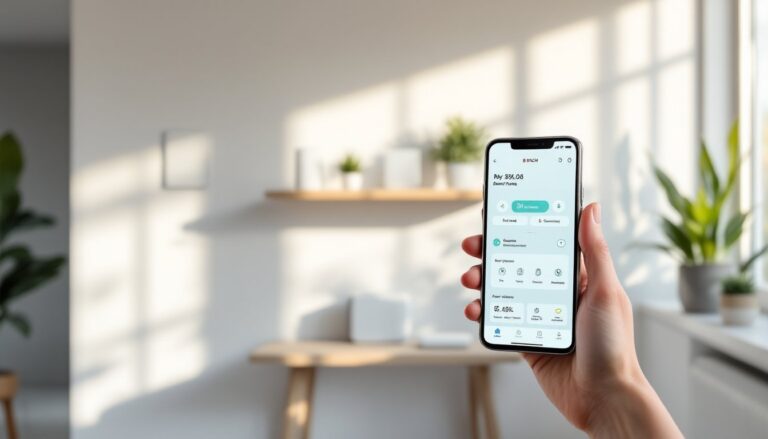
- Enhanced Convenience: Remote control of devices simplifies managing home systems from anywhere, anytime.
- Increased Energy Efficiency: Smart thermostats and lighting systems monitor usage patterns, leading to reduced utility bills.
- Improved Security: Smart cameras and door locks enhance home safety with real-time alerts and remote monitoring.
- Customizable Settings: Homeowners can set schedules and routines tailored to their lifestyles.
- Accessibility Features: Devices cater to individuals with disabilities, ensuring inclusive technology for a broader audience.
Preparing for Smart Home Devices Installation
Preparing for the installation of smart home devices involves careful planning and consideration of existing infrastructure.
Assessing Your Home’s Infrastructure
Assessing a home’s infrastructure is crucial before installing smart home devices. Evaluate Wi-Fi coverage to ensure consistent connectivity for devices requiring internet access. Inspect power outlets—availability and location affect where devices can be installed. Check for compatibility with existing systems like heating, ventilation, and air conditioning (HVAC) to integrate new devices seamlessly. Review security measures, such as existing cameras or alarms, to incorporate new security gadgets without redundancy. Identify any potential obstacles, like thick walls or weak signals, that could impact device performance and plan accordingly.
Choosing the Right Devices
Choosing the right devices involves understanding specific needs and home layout. Identify priorities, such as energy efficiency or enhanced security, to guide device selection. Compare popular devices, like Amazon Echo versus Google Home, to determine which offers the desired features. Investigate smart thermostats like Nest or Ecobee based on particular heating and cooling requirements. Consider smart lighting options, such as Philips Hue, known for customizable settings. Assess overall compatibility with the home ecosystem, ensuring selected devices can communicate effectively and function cohesively as part of a unified smart home setup.
Installation Process for Smart Home Devices
Installing smart home devices involves understanding both the technology and the specific needs of the home. Following these guidelines ensures a seamless setup.
DIY Installation Tips
- Read User Manuals: User manuals provide essential information on device functions and installation steps.
- Check Compatibility: Ensure devices work with existing smart home systems.
- Position Devices Strategically: Place devices within Wi-Fi range for optimal performance.
- Use the Right Tools: Equip yourself with tools like screwdrivers, drills, and levelers for efficient installation.
- Follow Online Guides: Video tutorials and forums offer step-by-step assistance and troubleshooting tips.
When to Hire a Professional
- Complex Systems: Hire a professional for intricate setups, such as multi-device integration.
- Electrical Work: Engage an expert for installations involving wiring or electrical modifications.
- Time Constraints: Employ a professional when limited time hampers DIY efforts.
- Technical Issues: Seek assistance for troubleshooting complex connectivity or software problems.
- Security Concerns: Professional installation ensures proper security configurations for devices.
Common Challenges in Smart Home Devices Installation
Smart home device installation involves various challenges that users may encounter. Below are some common issues faced during the setup process.
Troubleshooting Device Connectivity Issues
Troubleshooting device connectivity issues ranks among the top challenges. Users often experience disconnections or weak signals. To resolve these, it’s crucial to check Wi-Fi strength in respective areas. Ensure devices are within range of the router and that there’s no interference from walls or other electronics. Restarting the router or the smart device often fixes temporary issues. Updating device firmware consistently keeps systems running smoothly and maintains security.
Ensuring Compatibility Between Devices
Ensuring compatibility between devices proves essential in building a cohesive smart home ecosystem. Users should review specifications before purchase, confirming that new devices integrate with existing ones. Compatibility issues can arise from different protocols like Zigbee, Z-Wave, or Wi-Fi. Using a central hub can simplify compatibility concerns. Checking manufacturer requirements and consulting online resources can prevent future integration problems, ensuring a seamless smart home experience.
Embracing smart home devices transforms living spaces into efficient and welcoming environments. With careful planning and the right choices, homeowners can create a tailored experience that enhances convenience and security. By assessing infrastructure needs and following installation best practices, they can minimize challenges and maximize the benefits of smart technology.
Whether opting for DIY installation or seeking professional assistance, the journey to a fully integrated smart home is rewarding. As technology continues to evolve, staying informed and adaptable will ensure that homes remain comfortable and efficient for years to come.