
Table of Contents
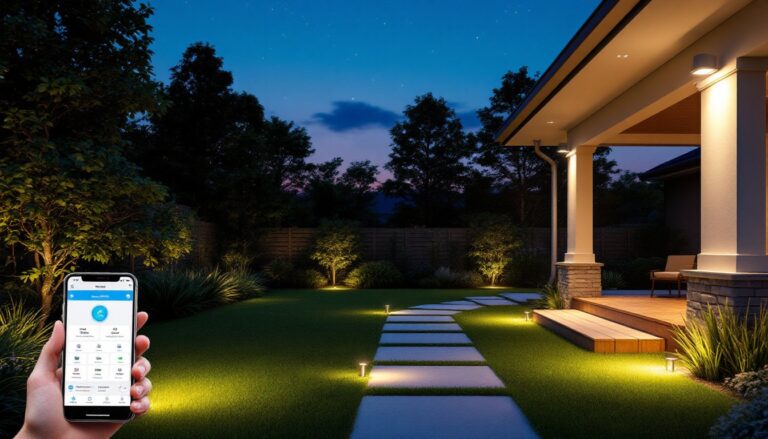
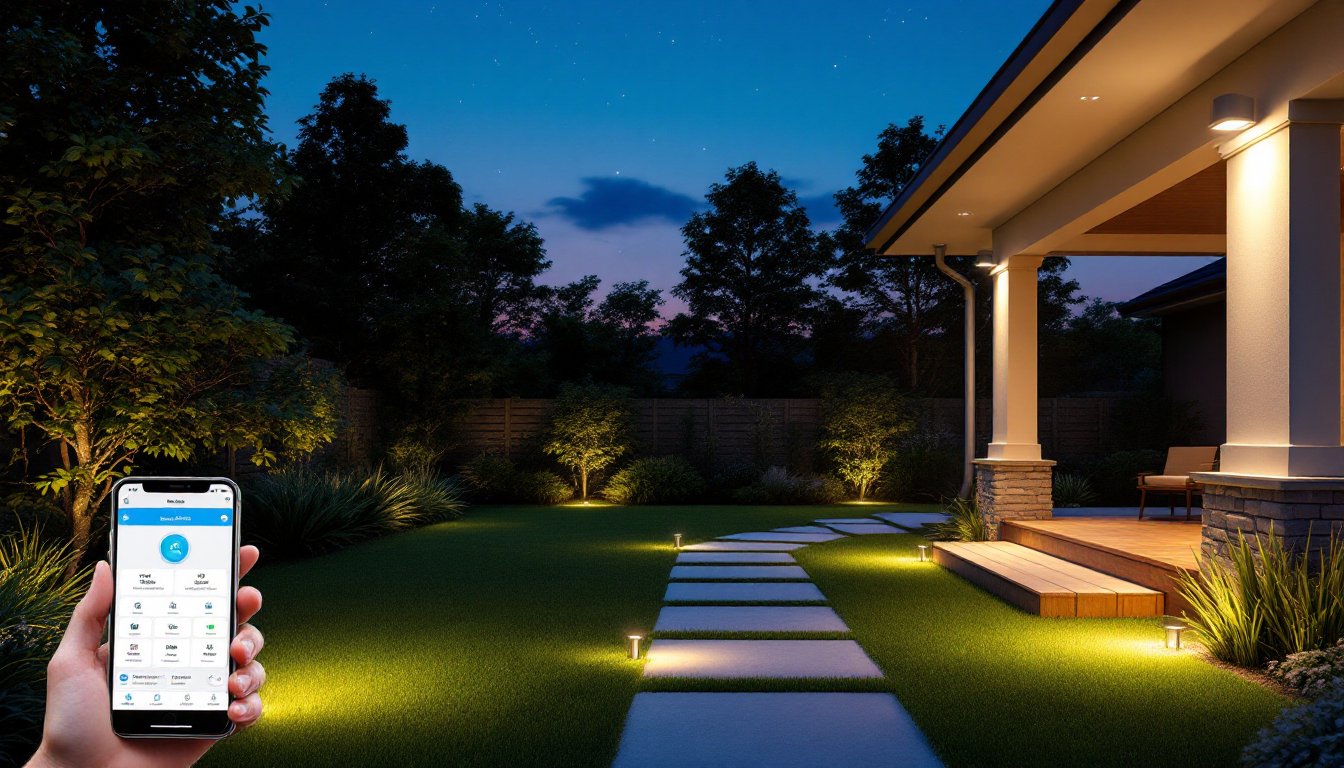
ToggleYour backyard after dark doesn’t have to be a guessing game. Smart outdoor lighting systems are no longer a luxury, they’re becoming the new standard for homeowners who want convenience, security, and style without the hassle of manual switches or outdated fixtures. Whether you’re automating a patio, boosting your home’s security with motion-activated lights, or creating ambient zones that shift with the sunset, wireless outdoor lighting puts real control in your hands. This guide walks you through what’s available, what actually matters, and how to get started with your smart outdoor lighting setup in 2026.
Key Takeaways
- Smart outdoor lighting systems reduce energy consumption by 40–50% through motion sensors, dimming, and scheduling, cutting annual electricity costs significantly for homeowners.
- Motion-activated and dusk-scheduled lights enhance home security by deterring trespassers and creating the illusion of occupancy when you’re away.
- Choose smart outdoor lighting fixtures with IP65+ weather resistance, 200–1200 lumens depending on use, and compatibility with your existing smart home platform (Alexa, Google Home, or Apple HomeKit).
- Smart bulbs offer the easiest entry point at $25–60 per bulb with zero installation effort, while smart fixtures require low-voltage wiring but provide more customization and control.
- Start your smart outdoor lighting setup with one zone (entry, patio, or pathway) and expand gradually after testing motion sensors and WiFi coverage in real conditions.
What Is Smart Outdoor Lighting and Why It Matters
Smart outdoor lighting refers to internet-connected fixtures and bulbs that you can control remotely via smartphone, voice assistant, or automation schedules. Unlike traditional outdoor lights that flip on or off at a switch, smart home outdoor lights respond to commands, adjust brightness, change color (in some models), and trigger based on sunset, motion, or your location.
A typical smart outdoor lighting system includes LED fixtures, wireless outdoor lighting hubs or bridges (if needed), and a smartphone app or integration with platforms like Alexa or Google Home. The appeal is straightforward: you can turn on the porch light from your car before arriving home, dim pathway lights at night to reduce energy waste, or program lights to turn on when motion is detected, all without touching a single switch.
Why does it matter? Most homeowners spend time managing outdoor lights manually or leave them running all night. Smart systems solve both problems. They respond to real-time conditions, adapt to your schedule, and reduce the friction between wanting light and having it. For the DIY crowd, installation ranges from simple (smart bulb swaps) to moderately involved (adding new fixtures), but the payoff in convenience and control is substantial.
Key Benefits for Homeowners
Energy Efficiency and Cost Savings
Smart outdoor lighting cuts energy consumption by letting lights run only when needed. Motion sensors prevent lights from burning all night when nobody’s outside. Dimming features reduce wattage during twilight or when full brightness isn’t necessary. Many smart fixtures use LED technology (typically 8–12 watts per fixture versus 40–60 watts for halogen), which compounds savings over time.
A homeowner running six outdoor fixtures nightly for 12 hours might spend $150–200 annually on electricity. Adding smart controls, motion detection, dimming, and scheduling, can cut that by 40–50%, depending on usage patterns. That said, cost varies by region, local electricity rates, and how aggressively you automate: factor in your own setup before expecting dramatic savings.
Smart home devices installation often includes hardwiring decisions that affect long-term efficiency, so planning upfront pays off.
Enhanced Security and Convenience
Motion-activated lights deter trespassers and reduce the risk of stumbling in darkness. Scheduling lights to turn on at dusk creates the illusion of occupancy when you’re away, a proven deterrent. Voice control (“Alexa, turn on the patio lights”) beats fumbling for a switch when your hands are full.
For families with seniors or young children, reliable outdoor lighting prevents falls and improves visibility in yards. WiFi outdoor lighting lets caregivers monitor and adjust settings remotely, adding an extra layer of safety. The convenience factor alone, controlling lights from inside without walking outside, matters more than homeowners expect until they actually use it.
Essential Features to Look For
Compatibility and ecosystems matter first. Choose lights that integrate with your existing smart home platform, Amazon Alexa, Google Home, Apple HomeKit, or a standalone app. Mismatched systems force you to juggle multiple apps, defeating the purpose.
Brightness and color temperature should match your use case. Pathway lights need 200–400 lumens: floodlights require 800–1200+ lumens. Warm white (2700K–3000K) suits patios and seating areas: cool white (4000K+) works better for security and task areas. Some premium models offer adjustable color (RGB), but that’s a nice-to-have, not essential.
Weather resistance is non-negotiable. Look for IP65 rating or higher (meaning dust and water-resistant). Fixtures should handle freezing temperatures if you’re in a cold climate, and UV-resistant materials prevent plastic from becoming brittle. Don’t cheap out here: cheap fixtures die in their first winter.
Dimming capability adds flexibility without extra cost in most modern smart fixtures. Motion detection is worth the extra $15–30 per unit if security or energy savings are priorities. Voice control and scheduling are table stakes in 2026, any reputable brand includes both.
Recent expert reviews of the best smart outdoor lights show that hub-based systems (like Philips Hue) offer more customization, while plug-and-play models (LIFX, Wyze) work faster. Your tolerance for setup complexity should guide that choice. For apartments or rentals, look at smart devices for apartments to avoid permanent installation.
Getting Started: Installation and Setup Tips
Smart bulbs are the easiest entry point. If your fixture has a standard socket (E26 or E27), you can swap in a smart bulb in seconds. No wiring, no permits, no second pair of hands required. Just screw it in, download the app, and connect to your WiFi. Expect to spend $25–60 per bulb.
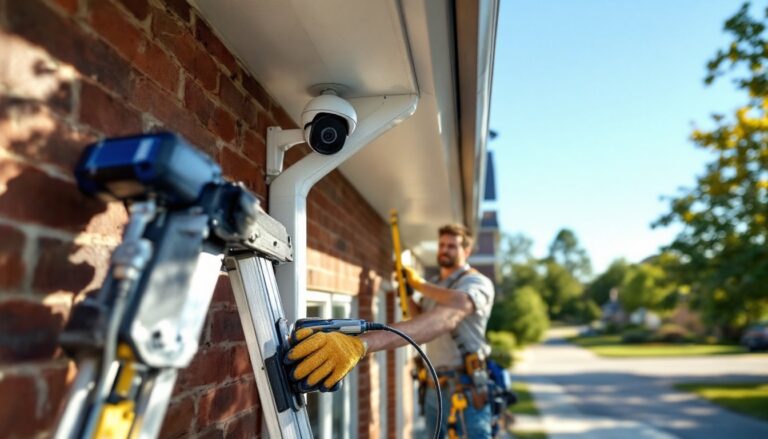
Smart fixtures require more planning. If you’re adding new lights or replacing old ones, you’ll need to run low-voltage wiring (typically 12V or 24V for outdoor LED strips). This might mean trenching conduit from your house to the yard (permit-dependent in some areas), running wire through existing structures, or hiring an electrician if you’re unsure about wiring standards. The National Electrical Code (NEC) requires outdoor circuits on 15-amp GFCI (ground fault circuit interrupter) breakers: your local authority may have stricter requirements.
Hub-based systems (Philips Hue, Nanoleaf) add a bridge that communicates between lights and your phone. That hub sits indoors and talks to fixtures via Zigbee or proprietary wireless protocol. Setup takes 15–30 minutes: pair each light, name it, assign it to zones, and program automations.
Installation checklist:
• Check WiFi coverage in your yard (range issues kill smart lighting setups).
• Plan fixture placement for even lighting and minimal shadows.
• Confirm GFCI protection on outdoor circuits.
• Test motion sensors in real conditions (pets, wind, changing light levels affect sensitivity).
• Start with one zone (entry, patio, pathway) before expanding.
Automated lighting scenes enhance your smart outdoor setup by layering multiple lights into coordinated routines. Instead of toggling each light individually, you program “movie night” (patio dimmed 30%, pathway lights off) or “security” (all lights at full brightness). This saves setup time and improves the overall experience.
For complex wiring or if your yard lacks outdoor circuits, consult a licensed electrician. A 2–3 hour consultation ($150–300 in most regions) prevents costly mistakes and ensures code compliance. Smart switches can also control dumb fixtures, providing a middle path between full replacement and smart bulbs alone.
Third-party testing by experts confirms that newer smart outdoor lights are more reliable than models from 2–3 years ago. Wi-Fi stability and app responsiveness have improved significantly: choose current-generation products, not last year’s clearance bins.
Conclusion
Smart outdoor lighting bridges convenience, security, and efficiency in ways that traditional systems can’t match. Whether you start with a single smart bulb or plan a full-yard installation, the technology is accessible, affordable, and proven. Start small, test in real conditions, and expand as you find what works for your space and schedule. Your yard will be smarter for it.