
Table of Contents
ToggleTermite damage is one of the costliest home problems a homeowner can face, repairs can easily run into the thousands. Once you’ve invested in termite treatment, the natural next question is: how long will it actually protect your home? The answer isn’t straightforward because different treatment methods have different lifespans, and various factors influence how long they remain effective. Understanding what you’re paying for and when to schedule maintenance helps you protect your investment and catch problems before they become expensive structural issues. This guide walks you through the typical duration of common termite treatments and what affects how long they last.
Key Takeaways
- Liquid barrier termite treatments typically last 5 to 10 years, while bait systems remain effective for 2 to 5 years before requiring monitoring-only status.
- Soil conditions, climate, and construction activity are the primary factors that determine how long termite treatment actually lasts at your property.
- Schedule annual professional inspections regardless of treatment type to catch early warning signs like mud tubes or swarmers before costly structural damage occurs.
- Plan full retreatment of liquid barriers at the 5-year mark in harsh climates or the 8-year mark in favorable conditions to maintain continuous protection.
- Fresh mud tubes, winged termites (swarmers), and unexplained wood damage are clear signs your termite treatment is failing and professional retreatment is needed immediately.
How Long Different Termite Treatments Stay Effective
The longevity of termite treatment depends entirely on which method your pest control professional applies. Not all treatments are created equal, and what works for subterranean termites differs from solutions for drywood or dampwood colonies. Most homeowners fall into one of two main categories: liquid barrier treatments or bait systems.
Liquid Barrier Treatments
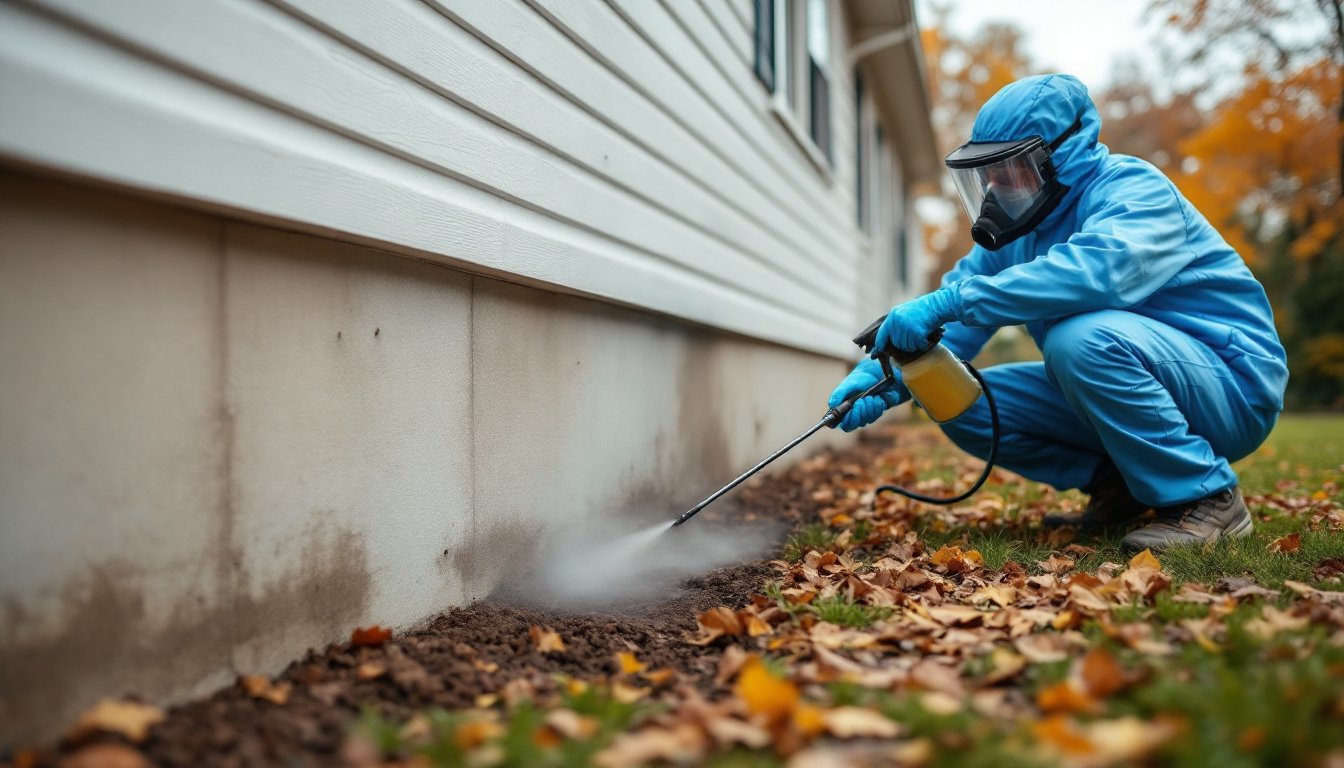
Liquid treatments are the most common approach. A licensed pest control technician injects a liquid termiticide (usually a synthetic pyrethroid or neonicotinoid) into the soil around your home’s foundation, creating a chemical barrier that termites cannot cross. These barriers typically last 5 to 10 years depending on the specific product used and soil conditions.
Premium liquid treatments marketed as “long-lasting” or “extended protection” formulations can reach the upper end of that range. Standard treatments often settle around 5 to 7 years. The protection works because the chemical persists in the soil even after rain or minor disturbance. But, heavy rain, soil erosion, or construction activity can compromise the barrier faster, which is why annual inspections matter.
Some pest control companies offer liquid treatments with a 15-year warranty, but this typically reflects the product’s potential lifespan under ideal conditions, not a guarantee. Read the fine print, warranties often include annual inspections and may require follow-up applications if the barrier shows signs of breakdown.
Bait Systems and Monitoring Stations
Bait stations work differently. Instead of creating a chemical barrier, these systems (placed around your foundation) contain slow-acting poison that termites carry back to their colony, gradually eliminating the entire population. Once the colony dies, the bait system remains in place as a monitor for new termite activity.
Bait systems are effective for 2 to 5 years before the active ingredient degrades. After that, they function mainly as monitoring stations, a pest control tech inspects them during annual visits to check for fresh termite activity. If no termites touch the bait, it’s still working as a deterrent.
The advantage of bait systems is that they address the root cause: the colony itself, not just blocking a tunnel. Many homeowners prefer them for sensitive areas where liquid barriers might affect groundwater or where soil conditions make chemical barriers less reliable. The downside is that bait systems require more frequent monitoring, typically monthly to quarterly visits during the active treatment phase.
Factors That Affect Termite Treatment Longevity
Why does one homeowner’s liquid treatment last 10 years while another’s wears off in 5? The answer lies in several environmental and structural factors that either support or undermine the treatment’s durability.
Soil Conditions and Environmental Exposure
Soil chemistry is the biggest variable. Acidic soils break down termiticide molecules faster than neutral or alkaline soils. If your property sits in a region with naturally acidic soil, common in the Northeast and Pacific Northwest, expect treatments to degrade more quickly. Clay-heavy soils also hold moisture differently than sandy soils, which can affect chemical persistence.
Rainfalls and irrigation matter too. Heavy, sustained rainfall can leach chemicals deeper into the soil or flush them away entirely, especially on sloped properties. Conversely, dry conditions can actually extend treatment longevity because the chemical doesn’t degrade as quickly in dry soil. If you’re in a humid climate with frequent watering or a region prone to heavy storms, your treatment may not reach the full expected lifespan.
Construction activity around your home, adding a deck, laying new pavers, or regrading landscape, can physically break the chemical barrier. Even utility work by the city can disrupt treated soil. When homeowners tell a pest control company about recent construction, it’s worth asking for an inspection or touch-up sooner than scheduled.
The depth and completeness of the initial application also matters. A thorough treatment reaching all foundation cracks, around pier footings, and under concrete slabs lasts longer than a surface-level spray. This is why hiring a licensed, experienced pest control company is important, they know where termites hide and how to apply treatment comprehensively. Budget-minded homeowners sometimes skip areas to save money, which nearly always backfires when termites find an untreated route into the home.
Specific product formulations affect longevity as well. Newer neonicotinoid-based products (like imidacloprid) often last longer than older pyrethroid formulations. Ask your pest control company what active ingredient they’re using and whether it’s a newer-generation product.
Signs Your Termite Treatment Is Wearing Off
You don’t have to wait until the official end of your treatment’s lifespan to know it’s failing. Several warning signs tell you it’s time to call the pest control company back.
Fresh mud tubes on foundation walls or piers are the most obvious red flag. Termites build these tubes to travel between soil and wood, if you see new ones, your treatment hasn’t stopped the colony. Look closely at corners, under siding, and around basement windows where termites often establish routes.
Swarmers, winged termites that emerge in spring or early summer, indicate an active colony nearby, possibly one that’s established itself even though your treatment. If you see them indoors or notice discarded wings near windows and light fixtures, the treatment is either failed or the colony has grown faster than anticipated.
Other subtle signs include hollowed wood in areas you’ve inspected before (checking the same spots annually helps catch progression), sagging floors or ceilings, and paint that bubbles or peels in ways inconsistent with water damage. These develop over time, so annual inspections catch them early.
The safest approach: don’t wait for visible damage. According to resources like Today’s Homeowner, which covers seasonal maintenance checklists, annual professional inspections cost far less than repairs. A pest control company can identify colony activity you’d never spot yourself.
When to Schedule Retreatment or Maintenance
Most pest control companies recommend annual inspections regardless of which treatment method you chose. These visits are less expensive than initial treatment and catch problems before damage occurs.
For liquid barrier treatments, schedule a full retreatment at the 5-year mark if you’re in a harsh climate (heavy rain, acidic soil, or frequent irrigation) or at the 8-year mark if conditions are favorable. Many pest control contracts include a yearly touch-up application, usually to foundation cracks, problem areas, or spots where the original barrier may have been compromised. This extends the overall lifespan significantly.
For bait systems, the active ingredient needs replacement every 2 to 5 years depending on the product. But, annual inspections cost less, and many homeowners just continue monitoring after the active phase ends. If bait is being consumed, the colony is being suppressed, so replacement is urgent. If stations remain untouched, monitoring alone may suffice until the next colony is detected.
Consider retreating sooner if:
- You’ve had recent excavation or construction near your foundation
- Your region experienced unusually heavy rainfall or flooding
- A professional inspection reveals new termite activity
- You’re selling your home and need to provide a termite clearance certificate
Costs vary widely by region, product, and home size. HomeAdvisor provides project cost estimators that let you enter your location and get realistic pricing for initial treatments and maintenance. In some regions, maintenance visits run $100–$300 annually, while full retreatments cost $500–$1,500+, depending on your home’s size and the treatment type.
Also important: check your treatment warranty or service agreement. Many pest control companies offer free emergency inspections if you spot new termite signs between scheduled visits. Using that service immediately can prevent a small problem from becoming expensive structural damage.