
Table of Contents
ToggleMounjaro users often ask a straightforward question: how long can this injectable medication sit on the counter before it spoils? It’s a practical concern, especially for travelers, busy schedules, or situations when a refrigerator isn’t immediately available. Unlike some medications that demand strict cold-chain handling, Mounjaro has a built-in buffer for room temperature exposure. Understanding these time windows and storage rules keeps the medication effective and prevents costly waste. This guide walks through exactly what the manufacturer recommends, what happens when temperatures rise, and how to handle real-world scenarios where keeping Mounjaro refrigerated isn’t always possible.
Key Takeaways
- Mounjaro can be stored out of the refrigerator for up to 30 days at room temperature (up to 25°C or 77°F) if kept in its original carton and away from direct heat or light.
- Once you take your first injection, a new 30-day room temperature timer starts, regardless of whether the pen remains refrigerated or not—moving it back to the fridge doesn’t reset the clock.
- Heat exposure above 25°C (77°F) causes tirzepatide to degrade, and frozen pens should be discarded immediately as the molecular structure becomes irreversibly damaged.
- For safe travel, use insulated cases or cooling pouches with ice packs for trips longer than 12 hours in warm climates, and always keep Mounjaro in carry-on luggage during flights.
- Track the date each Mounjaro pen is removed from cold storage with a permanent marker to monitor the 30-day window and prevent accidental waste or reduced medication effectiveness.
Understanding Mounjaro’s Temperature Requirements
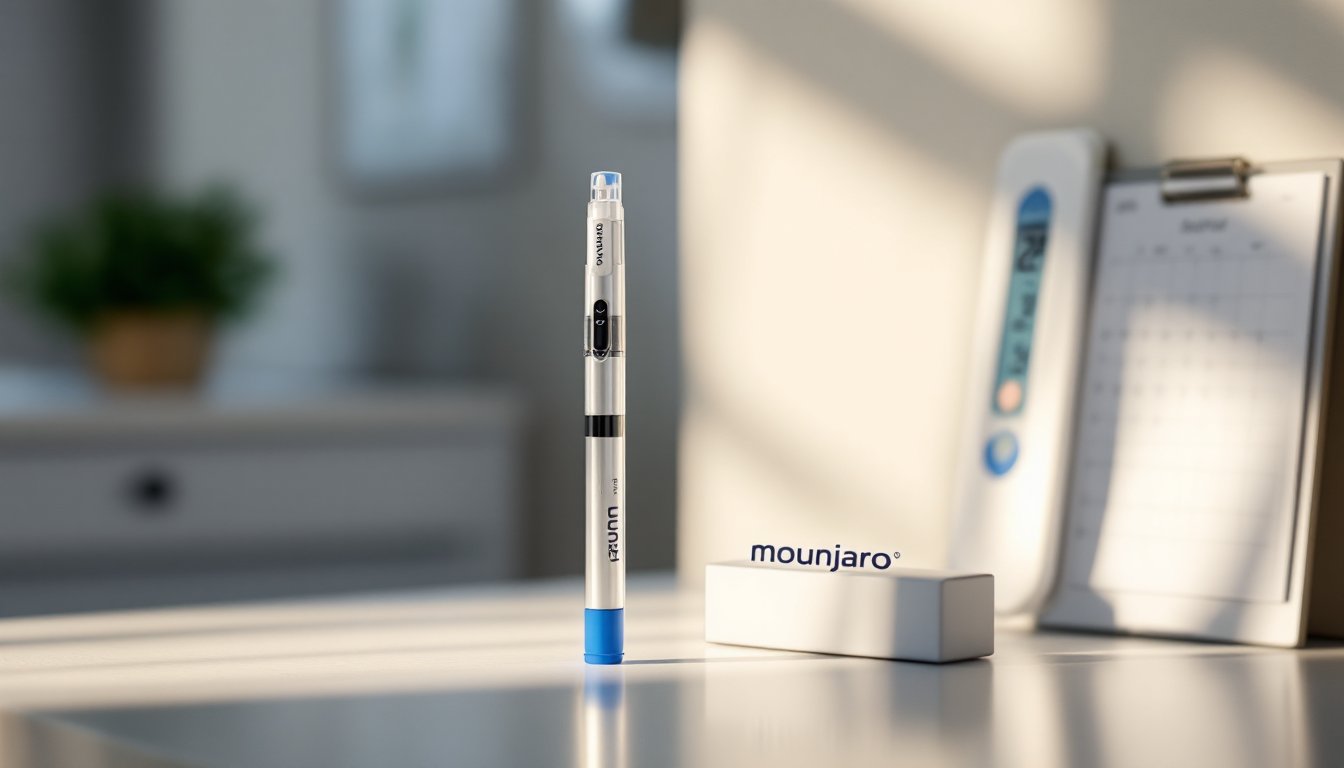
Mounjaro (tirzepatide) comes with clear storage instructions from the manufacturer: refrigerate at 2°C to 8°C (36°F to 46°F) before use. This temperature range keeps the medication stable and maintains its potency for the stated shelf life on the package.
Once removed from the refrigerator, the pen can tolerate room temperature exposure, but within limits. The key is understanding the difference between “can survive” and “should sit.” Mounjaro isn’t like insulin, which can tolerate modest room-temperature swings for a few hours. Instead, Mounjaro follows a time-and-temperature threshold: it can handle up to 30 days at room temperature (up to 25°C or 77°F) if stored in its original carton and kept away from direct heat or light.
Before first use, the pen lives in the refrigerator and counts toward its original shelf life. Once you open the pen and begin using it (taking your first injection), a new 30-day timer starts, regardless of whether it stays in the fridge or moves to room temperature. Many users don’t realize this distinction, assuming their multi-week supply is automatically safe as long as it’s cold. That’s not how Mounjaro works.
Room Temperature Storage Duration
Unopened Pen Storage Guidelines
If the pen hasn’t been opened and no injection has been taken, Mounjaro can sit at room temperature for up to 30 days. The original carton is important here, it provides protection from light and minor temperature fluctuations. Keeping the pen in the box, away from windowsills and heat sources, extends its stability.
The 30-day clock doesn’t reset if you move the pen back to the fridge. Once room temperature storage begins, that window is finite. So if a pen sits on the counter for two weeks and then goes back into the refrigerator, you’ve still used up 14 of those 30 days. Mark the date the pen left cold storage on the carton with a permanent marker: it’s a simple habit that prevents confusion.
In-Use Pen Considerations
After the first injection, the pen is considered “in use,” and the 30-day room temperature window applies. If the pen has been refrigerated for most of those 30 days and then removed for daily use, that’s fine. But, once in-use storage at room temperature begins, count toward the 30-day limit.
For example: if a pen is injected on Monday and then placed on the kitchen counter for Tuesday through Friday, all four days count. If the pen goes back to the refrigerator on Saturday and stays cold until the next injection the following Monday, the timer has advanced by 8 days total, leaving 22 days of room temperature use remaining.
Many users find it practical to keep their in-use pen at room temperature for convenience (no repeated trips to a cold refrigerator), then store unused pens in the fridge. This approach works as long as the in-use pen doesn’t exceed 30 days out of cold storage.
What Happens If Mounjaro Gets Too Warm
If Mounjaro is left in a hot car, near a heating vent, or in a warm bag for an extended period, the medication can degrade. The active ingredient, tirzepatide, begins to break down at temperatures above 25°C (77°F), and heat accelerates this process. The pen may still look normal, there’s no color change or visual indicator of degradation, which is why temperature awareness matters.
Signs of potential heat damage include:
- Unusual appearance or particles in the liquid (though this is rare)
- Pen that doesn’t inject smoothly or clicks unusually during the injection
- Loss of effectiveness after injection (delayed glucose control or minimal weight loss effect)
If a pen has been left in a hot environment for several hours or longer, the safest approach is to replace it. A $20–$50 loss is worth avoiding an ineffective injection. If unsure, contact the pharmacy or the Mounjaro support line: most are willing to help assess whether a specific temperature exposure compromised the medication.
Freeze exposure is equally problematic. Mounjaro should never be frozen. If ice crystals form in the pen, the molecular structure of the drug can be damaged irreversibly. Discard any pen that’s been frozen, even if it thaws and appears normal.
Best Practices for Safe Storage and Transport
At Home
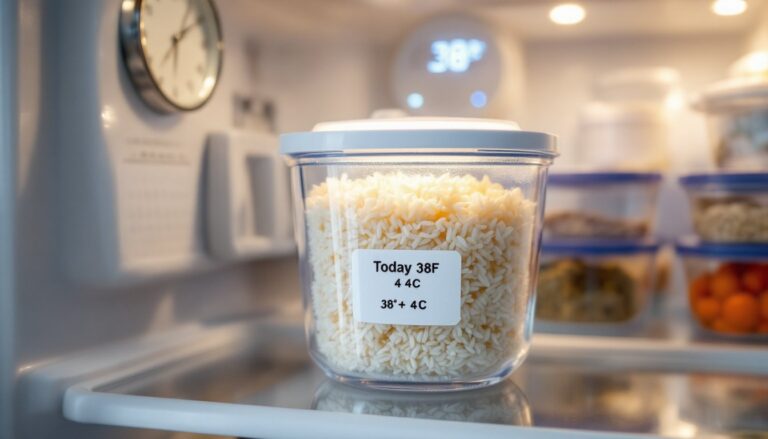
Store Mounjaro in the main refrigerator, not the door, where temperature fluctuations are highest. Keep pens in their original carton, stacked upright or on their sides, not standing on the needle end. Maintain a steady fridge temperature by avoiding frequent, prolonged door openings.
If an in-use pen is kept at room temperature, store it away from windows, lamps, heating vents, and kitchen heat sources. A bedroom closet or a nightstand drawer (away from a lamp or radiator) works well.
During Travel
For short trips (under 12 hours) in mild weather, Mounjaro can travel uninsulated in a bag. For longer trips or warm climates, use an insulated travel case or cooling pouch with ice packs. Keep the pens upright and ensure ice packs don’t touch the medication directly (they should be wrapped or in a separate compartment). Cooler products like Frio bags (evaporative cooling wallets) don’t require ice and are TSA-friendly for flights.
Flights are permitted: Mounjaro is allowed in both carry-on and checked luggage. Store in the main cabin if possible, cargo holds on some aircraft get very cold or unpressurized, which risks freezing. Keep a copy of the prescription label in your bag.
Temperature Monitoring
Consider a digital thermometer or temperature logger for critical situations (a vacation in heat, or if you’re uncertain your fridge is cold enough). Inexpensive Bluetooth thermometers log temperature history and alert if it drifts above safe ranges.
Documentation
Note the date each pen is opened and the dates it’s stored at room temperature on a simple chart. This prevents accidental overuse of the 30-day window and is especially helpful if multiple household members handle the medication.
Conclusion
Mounjaro can be stored at room temperature for up to 30 days before or after opening, but refrigeration at 2°C to 8°C is the standard. Unopened pens in the refrigerator last according to the package expiration date: heat exposure significantly shortens that timeline. For safe, effective treatment, prioritize cool storage, track room-temperature exposure, and don’t hesitate to replace a pen if it’s been in extreme temperatures. A little organization and awareness ensure that this medication remains as effective as intended.