
Table of Contents
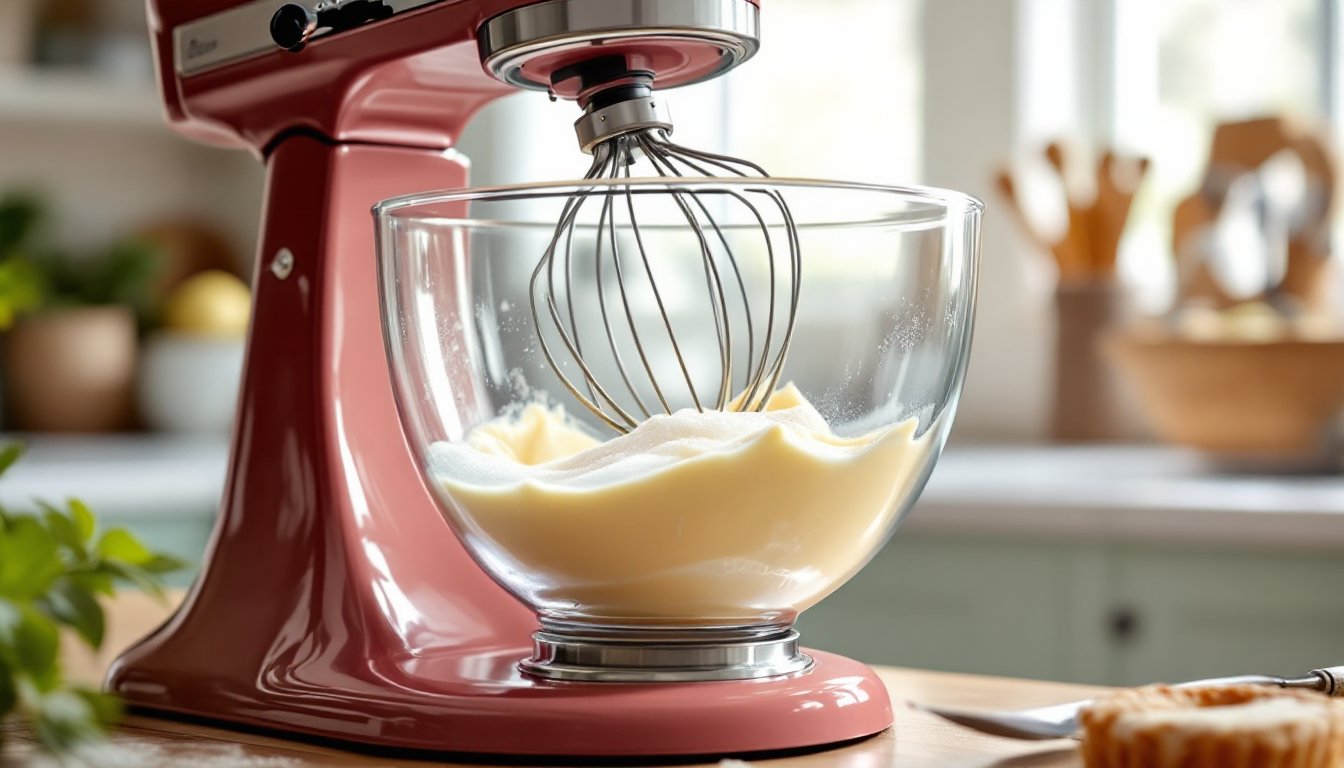
ToggleIf you’ve been using your KitchenAid mixer with the standard stainless steel bowl for years, you might not realize what you’re missing. A glass bowl swap is one of the simplest upgrades a home baker or cook can make, and it transforms how you work. Glass bowls let you see exactly what’s happening inside as butter creams, dough develops, or egg whites whip to stiff peaks. Beyond visibility, they’re more durable, easier to clean, and genuinely pleasant to use. Whether you’re a casual cookie maker or someone who runs weekly baking projects, understanding KitchenAid’s glass bowl options and how to care for them will help you get the most out of your mixer investment.
Key Takeaways
- A KitchenAid glass bowl upgrade provides visibility into mixing progress while resisting scratches, discoloration, and reactions with acidic ingredients that affect stainless steel.
- Borosilicate glass bowls withstand rapid temperature changes and can last 10+ years, making them more durable for long-term use than traditional stainless steel alternatives.
- Installation of a KitchenAid glass bowl takes under two minutes and requires no tools—simply unplug the mixer, lift the head, align the bowl with the collet, and lower the head until it clicks into place.
- Maintenance is simpler with glass: run the mixer on low speed with warm soapy water for self-cleaning, avoid abrasive scrubbers, and use white vinegar to remove hard-water spots without damage.
- Compatibility depends on your mixer model; most 5-quart Artisan Tilt-Head models support glass bowls, while larger bowl-lift machines typically use stainless steel exclusively.
Understanding KitchenAid Glass Bowl Compatibility
Not every KitchenAid mixer accepts a glass bowl, compatibility depends on your model and tilt-head versus bowl-lift design. Most KitchenAid Artisan Tilt-Head Stand Mixers (the smaller, 5-quart models) come with a choice of glass or stainless steel, though the glass option is often sold separately. The KitchenAid Professional 600 Series and larger bowl-lift machines typically use stainless steel exclusively, so check your model number on the back of your machine before ordering.
Glass bowls for KitchenAid mixers are made from borosilicate glass, a durable, heat-resistant type that won’t crack easily under temperature swings or during normal use. When shopping, you’ll see these marketed as “KitchenAid Glass Bowl for Artisan 5-Quart Mixer” or similar. Always verify the exact capacity (5-quart is standard for tilt-head models) and confirm your mixer’s serial number or model matches the listing. Buying the wrong size won’t fit the collet (the connector beneath the mixer head), and returning it wastes time.
If you’re unsure whether your mixer qualifies, consult the original manual or KitchenAid’s website with your model number. Most retailers and the manufacturer’s customer service team can confirm compatibility in minutes.
Why Glass Bowls Are Superior to Stainless Steel
The case for glass boils down to practicality and longevity. Stainless steel bowls are durable but opaque, you can’t see what’s happening inside without stopping the mixer and lifting the head. With a glass bowl, you monitor dough hydration, batter consistency, and foam development without interrupting the mix cycle. This alone saves time and reduces overbaking disasters caused by guesswork.
Glass also doesn’t react with acidic ingredients like lemon juice, buttermilk, or vinegar the way some metal surfaces can. Over years of use, stainless steel can develop micro-scratches and discoloration: glass resists that wear. Temperature stability is another win, glass handles hot ingredients (warm butter, heated eggs for some recipes) and cold additions (ice-cold buttermilk, frozen fruit) without warping or denting.
Glass bowls are heavier than stainless steel, which some users find annoying during removal, but the added weight also means less vibration and a more stable mix. Aesthetically, a clear glass bowl with the mixer running becomes a centerpiece, the view of a glossy dough or fluffy frosting appeals to visual learners and photographers alike.
Durability and Heat Resistance Advantages
Borosilicate glass can withstand rapid temperature changes that would shatter standard glassware. A KitchenAid glass bowl won’t crack if you rinse it with cold water immediately after a warm-dough session, and you can safely preheat it in a low oven (though not necessary for most home baking). The material ages without yellowing or clouding, so your bowl looks clear and new for decades. That’s not hype, many home bakers report using the same glass bowl for 10, 15, or even 20 years without damage beyond cosmetic wear.
Stainless steel, by contrast, can develop permanent water spots and requires specific cleaners to restore shine. It’s tougher against impacts, drop stainless and it bounces: drop glass and you’ll likely see a chip or crack. But in normal mixer use, impacts don’t happen, so the theoretical toughness of metal is irrelevant. Where glass truly shines is resistance to abrasion from acidic or salty foods and immunity to corrosion that stainless eventually shows near the collet or base.
How to Install and Secure Your Glass Bowl
Installing a glass bowl takes under two minutes and requires zero tools. Start by unplugging your mixer from the outlet, this is non-negotiable for safety. Lift the mixer head all the way up if you have a tilt-head model, and set the lever to the “tilt” position so the head stays raised.
Remove the old stainless steel bowl by lifting straight up. The bowl sits loosely in the base and lifts free with a gentle tug. Don’t twist or force it: it’s designed to pop out vertically. Set the old bowl aside somewhere safe (you may want to keep it if you ever sell the mixer or need a backup).
Place the glass bowl into the base, aligning the handle with any guide marks or notches you see. The collet (a metal connector under the mixer head) will sit on a metal rim inside the bowl’s lip. Lower the mixer head slowly and listen for a soft click or feel a slight resistance, this means the collet has seated properly. The bowl should sit flat and stable with no wobble.
Gently tilt the head back up to vertical and rotate the bowl slightly to confirm it’s locked. If it spins freely or feels loose, raise the head again and recheck the collet seating. Once secure, plug in the mixer and run it on speed 1 for 5 seconds with an empty bowl to ensure smooth operation. That’s it, no adjustments needed.
Safety note: Glass bowls are tempered and durable, but avoid extreme impacts. Never drop the bowl or strike it against a hard edge. Also, don’t place a glass bowl in a standard dishwasher without checking your specific bowl’s care label, some can handle it, but many manufacturers recommend hand washing to extend the finish.
Maintenance and Cleaning Best Practices
Glass bowls are easier to clean than stainless steel, which is one reason bakers love them. After use, fill the bowl with warm water and a drop of dish soap, attach the bowl to the mixer base (with the mixer unplugged), and run the mixer on low speed for 10-15 seconds. The action of the bowl rotating against the whip or paddle does most of the scrubbing for you, dried batter, frosting, and dough residue come loose quickly.
For stubborn dried spots, soak the bowl in warm soapy water for 10 minutes, then scrub gently with a soft sponge. Avoid abrasive scrubbers (like steel wool or rough scouring pads) that can scratch the glass or wear the rim where the collet sits. A microfiber cloth or soft bristle brush is ideal.
Rinse thoroughly with clean water and dry immediately with a lint-free towel to prevent water spots. If hard-water spotting does occur, wipe the bowl with white vinegar on a soft cloth, this removes mineral deposits without scratching. Some users mention that Martha Stewart’s kitchen organization tips include simple cleaning routines that work just as well for mixer bowls.
Storage: Keep the glass bowl in a cabinet away from direct sunlight. Sunlight can fade any printed graphics or logos on the bowl over time. If you store your mixer with the glass bowl in place, cover it with a cloth to keep dust out and prevent accidental contact with the collet. Never store heavy items on top of the bowl while it’s in the base, the weight could stress the collet connection or the glass.
Troubleshooting Common Glass Bowl Issues
The bowl rocks or wobbles during mixing. This is usually a collet seating issue. Stop immediately, unplug the mixer, and recheck the alignment. Remove the bowl, inspect the collet and the rim of the bowl for debris or dried batter, and wipe both clean. Reinstall the bowl and try again. If wobbling persists, the collet may be bent, which requires a replacement part (contact KitchenAid support for a replacement collet or service).
The bowl won’t stay put or constantly slips. Clean the collet and bowl rim thoroughly, buildup of old food or flour prevents a tight seal. Also check the collet screw (a small screw inside the collet) to ensure it hasn’t loosened over time. A gentle tightening with an adjustable wrench may fix this, but consult your manual for the correct technique to avoid damaging the part.
Cloudy or hazy spots on the glass. This is mineral buildup from hard water, not damage. Vinegar rinses work well: for heavy deposits, soak the bowl in a 50/50 vinegar and water solution for 30 minutes, then scrub and rinse. Bar Keeper’s Friend (a gentle powdered cleanser) also works, use sparingly and rinse thoroughly.
Small chips or stress cracks. Minor chips at the rim usually don’t affect function, but sharp edges can hurt your hands. Sand the damaged edge smooth with fine-grit sandpaper (220-grit) wet-sanded so you don’t inhale glass dust. Wear gloves and a dust mask for this task. Cracks that extend into the bowl’s body are a sign the bowl is weakened and should be replaced, continuing to use it risks sudden breakage mid-mix, which is unsafe. The KitchenAid colour of the year 2026 feature also showcases mixers with modern glass bowls, if you want to see current aesthetic options.
Collet won’t release or bowl feels stuck. Unplug the mixer immediately. Gently work the bowl side-to-side (don’t twist) while pulling straight up. If it remains stuck, apply a few drops of warm water around the collet and wait a minute, moisture can ease stuck connections. Never force it: forcing risks breaking the glass or damaging the mixer head. If it still won’t budge after gentle attempts, contact KitchenAid’s support line for guidance.
Conclusion
Switching to a KitchenAid glass bowl is a modest investment that pays off in clarity, durability, and daily satisfaction. Installation is instant, maintenance is straightforward, and the upgrade itself becomes a pleasure every time you bake. Unlike trendy kitchen gadgets, a glass bowl for your KitchenAid mixer is practical, timeless, and actually used. If you’ve been on the fence, the numbers and practicality make the case clear, it’s one of the best small upgrades a home baker can make.