
Table of Contents
ToggleCooked salmon is a nutritious, delicious protein that many people prepare in bulk for meal prep or leftover dinners. But how long is it actually safe to keep in the fridge? The answer matters, not just for taste and texture, but for your health. Unlike some leftovers that might just taste stale, improperly stored salmon can develop foodborne pathogens that pose serious risks. Understanding proper storage, knowing how to spot spoilage, and following safe reheating practices will help you get the most out of your salmon while keeping your family safe. This guide covers everything from refrigerator storage timelines to freezing strategies and best practices for using up your leftovers.
Key Takeaways
- Cooked salmon is good for 3 to 4 days in the refrigerator when stored at 40°F or below, with the timer starting once it cools to room temperature after cooking.
- Use airtight glass or plastic containers on a lower shelf to prevent cross-contamination and extend shelf life by minimizing air exposure and moisture loss.
- Discard salmon immediately if it smells pungent, looks gray or slimy, feels mushy, or shows any visible mold—these are clear signs of foodborne pathogens.
- Freezing cooked salmon extends storage to 2 to 3 months in a standard freezer at 0°F, with proper freezing involving cool-down time and minimal air exposure.
- Thaw frozen salmon overnight in the refrigerator and reheat using the gentle oven method at 300°F to preserve texture and avoid drying out the fish.
- Avoid reheating salmon more than once and never leave it at room temperature for more than 2 hours, as this increases bacterial growth risk.
Storage Guidelines for Cooked Salmon
The Standard Refrigerator Timeline
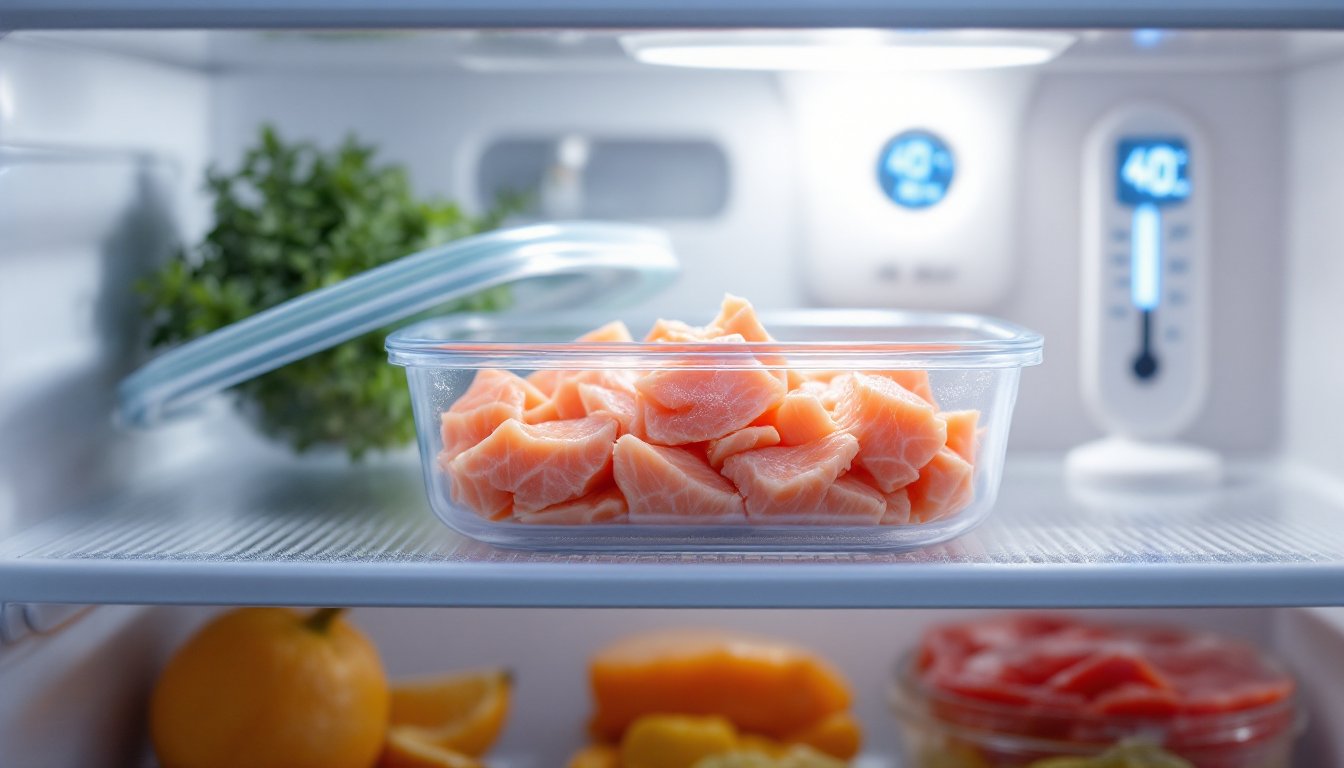
Cooked salmon will stay fresh in the refrigerator for 3 to 4 days at 40°F (4°C) or below. This is the official recommendation from the USDA and aligns with food safety standards across North America. The clock starts the moment the salmon cools to room temperature after cooking, not when you finish eating dinner.
This 3- to 4-day window assumes your fridge maintains a consistent temperature and the salmon is stored properly. Fish is more perishable than poultry or beef because of its higher fat content and delicate protein structure: those lipids oxidize faster, which is why cooked salmon spoils sooner than other leftovers. If your refrigerator runs warmer (above 40°F), cut that timeline in half.
Optimal Storage Containers and Conditions
Storage containers make a genuine difference in how long your salmon stays safe and appetizing. Use airtight glass containers or food-grade plastic containers with tight-sealing lids, these prevent moisture loss and keep odors from spreading to other foods. Avoid leaving salmon uncovered or loosely wrapped: exposure to air accelerates oxidation and bacterial growth.
A few practical steps extend shelf life:
- Cool the salmon first. Let it sit at room temperature for no more than 2 hours, then refrigerate. Placing hot salmon directly in the fridge raises the internal fridge temperature and creates condensation, which promotes bacterial growth.
- Store on a lower shelf. Keep salmon below ready-to-eat foods (like deli meats or salads) to prevent cross-contamination if any drippings occur.
- Keep your fridge at 40°F or below. Use a thermometer to verify: many household fridges drift warmer than people realize.
- Minimize air exposure. If you’re dividing salmon into portions, pack each one separately so you don’t repeatedly open and close a large container.
Proper storage doesn’t just extend shelf life, it preserves the salmon’s texture and flavor. Salmon stored correctly stays moist and doesn’t develop that fishy, off-putting smell that signals spoilage.
How to Tell If Your Cooked Salmon Has Gone Bad
Trusting your senses is your first line of defense against foodborne illness. Spoiled cooked salmon shows several clear warning signs, and if you notice any of them, discard it immediately.
Smell. Fresh cooked salmon has a mild, ocean-like aroma. Bad salmon smells pungent, sour, or ammonia-like. If you open the container and recoil, don’t taste it, throw it away. The smell is your nose detecting bacterial metabolites, which means pathogenic bacteria are likely present.
Appearance. Look for gray or dull discoloration, slimy surface texture, or visible mold. Fresh cooked salmon should look opaque and flake easily. If it looks translucent again, feels sticky, or shows any fuzzy growth, it’s unsafe.
Texture. Press the salmon gently with your finger. It should feel firm or slightly flaky. If it feels mushy, overly soft, or leaves an indentation, bacteria have broken down the protein structure, don’t eat it.
Taste and mouth-feel. You shouldn’t need to taste old salmon to know it’s bad. If you do taste it (and honestly, you shouldn’t risk it), spoiled salmon tastes sour, metallic, or off in a way that’s instantly noticeable. Spit it out immediately.
When in doubt, throw it out. Foodborne pathogens like Listeria or Clostridium botulinum don’t always produce obvious smells or flavors at dangerous levels, so erring on the side of caution is always the right call. The few dollars saved isn’t worth the risk of food poisoning.
Freezing Cooked Salmon for Extended Storage
If you won’t use your salmon within 3 to 4 days, freezing is the best way to preserve it. Frozen cooked salmon keeps for 2 to 3 months in a standard freezer at 0°F (-18°C) or below. For longer storage (up to 6 months), a deep freezer that maintains -4°F (-20°C) is ideal.
Freeze salmon correctly to minimize freezer burn and texture degradation:
- Let it cool completely. Place the cooked salmon on a plate in the fridge for 1 to 2 hours before freezing. This prevents condensation buildup inside your freezer container.
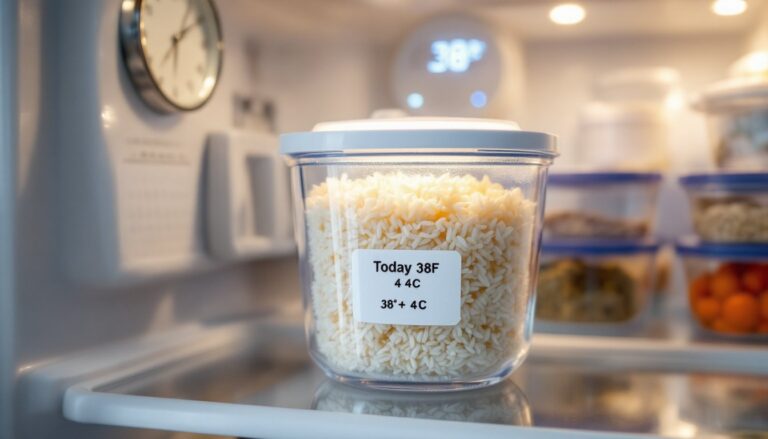
- Use freezer-safe containers. Glass containers designed for freezing work well: plastic freezer bags (removing as much air as possible) also work if you’re short on space. Label the container with the date and contents using a freezer-safe marker.
- Wrap individual portions. If you have one large piece of salmon, wrap it in plastic wrap or parchment paper first, then place it in a freezer bag or container. This prevents freezer burn and makes it easy to thaw just what you need.
- Leave minimal air. Air exposure leads to freezer burn, which damages texture. If using a freezer bag, try to remove excess air before sealing.
When it’s time to use frozen salmon, thaw it in the refrigerator overnight (not on the counter). According to guidance on how long your favorite, thawing slowly preserves quality and minimizes bacterial growth. Once thawed, use the salmon within 1 day.
Best Practices for Reheating and Using Leftover Salmon
Reheating salmon properly preserves its texture and ensures food safety. The goal is to warm it through without drying it out or cooking it twice over.
Oven method (recommended). Preheat your oven to 300°F (150°C). Place the salmon on a baking sheet lined with parchment paper, cover it loosely with foil, and heat for 5 to 7 minutes until warmed through. This gentle method retains moisture better than higher heat. Check by touching the thickest part of the fish, it should feel warm to the touch.
Stovetop method. Place the salmon in a skillet over medium-low heat with a splash of water, broth, or a pat of butter. Cover with a lid and warm for 3 to 5 minutes, stirring or turning gently halfway through. Watch closely, the residual heat finishes the job faster than you’d expect.
Microwave method. Not ideal, but workable in a pinch. Place salmon on a microwave-safe plate, cover loosely with a damp paper towel, and microwave at 50% power for 1 to 2 minutes. The low power setting prevents the fish from drying out or developing tough edges.
Avoid these mistakes:
- Don’t reheat salmon more than once. Each reheating cycle increases the risk of bacterial growth and degrades quality.
- Don’t use boiling water or high heat. Salmon proteins denature and become rubbery.
- Don’t reheat if the salmon has been sitting at room temperature for more than 2 hours (1 hour if your kitchen is above 90°F).
Leftover salmon works beautifully in other dishes: flake it into pasta, top a salad, stir it into rice bowls, or use it as a filling for wraps. These secondary uses help you avoid the monotony of eating the same meal twice and reduce waste.
Conclusion
Cooked salmon stored properly in the fridge stays safe for 3 to 4 days, and freezing extends that timeline to 2 to 3 months. Pay attention to storage containers, fridge temperature, and the clear warning signs of spoilage, odd smells, discoloration, or slimy texture. When you’re ready to eat your leftovers, thaw carefully and reheat gently. Following these straightforward practices keeps your salmon safe, reduces food waste, and ensures you can enjoy your cooking beyond a single meal.