
Table of Contents
ToggleYour KitchenAid stand mixer is only as good as the bowl you pair it with. Whether you’re whipping egg whites into stiff peaks for a meringue or kneading artisan bread dough, having the right bowl makes the difference between smooth operation and frustration. Most home bakers don’t realize that replacement bowls come in different materials, sizes, and styles, each suited to specific tasks and mixer models. This guide walks you through selecting, installing, and maintaining KitchenAid stand mixer bowls so you get years of reliable use from your workhorse kitchen appliance.
Key Takeaways
- KitchenAid stand mixer bowl materials—stainless steel, glass, and ceramic—each offer distinct benefits: stainless steel is durable and lightweight, glass allows visibility and runs cooler, and ceramic excels at heat retention and won’t impart metallic taste to acidic recipes.
- Selecting the right bowl size matters: 5-quart bowls fit most home bakers, while larger 6-8 quart sizes suit frequent bread makers and entertainers, and smaller 3.5-quart bowls work for solo bakers or small batches.
- Proper installation and maintenance are critical—align the bowl’s lugs with mixer sockets, test for wobbling at low speed, and hand-wash stainless steel and ceramic bowls immediately after use to prevent drying on stubborn residue.
- A loose or wobbly bowl usually indicates incomplete seating or bent sockets; reseat carefully and check for damage, and if wobbling persists, contact KitchenAid support for professional realignment.
- Buying a second bowl of the same size streamlines workflow for temperature-sensitive recipes and prevents overfilling, which stresses the motor and creates uneven mixing results.
- KitchenAid stand mixer bowl selection impacts mixing performance—test different materials if dough sticks during bread making, as older bowls with micro-scratches may require upgrading to glass or ceramic for smoother operation.
Understanding KitchenAid Stand Mixer Bowl Types and Materials
Stainless Steel vs. Glass vs. Ceramic Bowls
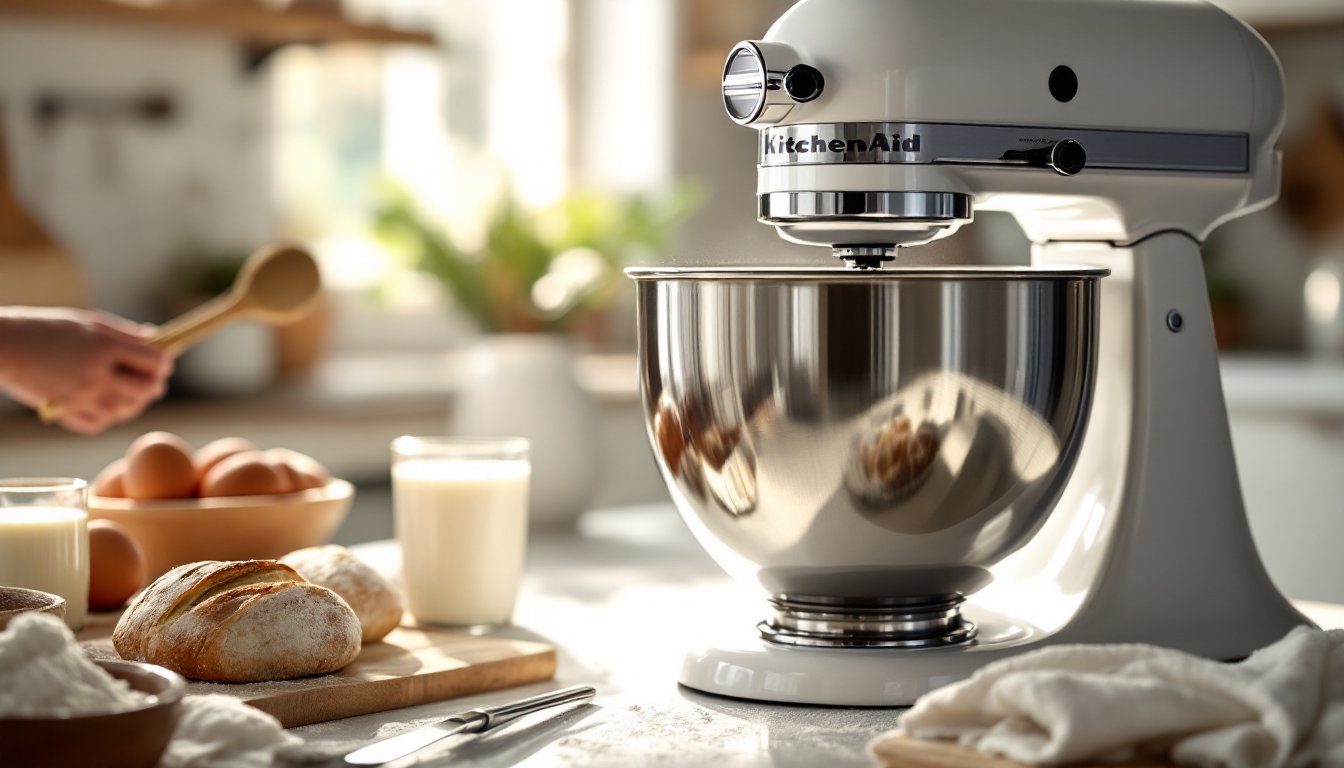
KitchenAid offers three primary bowl materials, each with distinct advantages. Stainless steel bowls are the standard and come with most mixers: they’re durable, lightweight, and won’t shatter if dropped. They heat slightly during mixing, which can affect temperature-sensitive recipes like whipped cream or meringues in summer, a minor inconvenience but worth noting. Glass bowls are dishwasher-safe and let you see what’s mixing without stopping the machine. They stay cooler, making them ideal for recipes that demand precision temperature control. Glass is heavier and pricier than stainless steel, and you’ll replace it more often if it takes a fall.
Ceramic bowls are less common but favored by serious bakers for their heat retention and non-reactive surface. They’re beautiful enough to go straight from mixer to table and won’t impart any metallic taste to acidic ingredients like buttermilk or lemon juice. All three materials fit standard KitchenAid mixer models, though you’ll want to verify your mixer’s attachment system (older models use different connection points than newer ones). The choice comes down to your budget, how often you bake, and whether you prioritize durability, visibility, or heat management.
Determining the Right Bowl Size for Your Needs
KitchenAid stand mixers typically ship with a 5-quart bowl for standard home mixers, though sizes range from 3.5 to 8 quarts depending on the model. If you’re baking bread weekly or entertaining regularly, a 5-quart or 6-quart bowl handles most home recipes comfortably. A 3.5-quart bowl works if you live alone or bake small batches: it’s lighter and takes up less counter space.
Consider your most frequent recipe when choosing size. Bread dough for two loaves needs around 4 to 5 quarts of capacity to knead properly without splashing over the sides. Cookie dough, meringues, and cake batters are less volume-hungry and work fine in a smaller bowl. If you often max out your current bowl, sizing up to the next size, usually a 1- to 2-quart jump, prevents overfilling and messy overflow. Verify your mixer’s maximum capacity before purchasing: cramming too much dough or batter stresses the motor and creates an uneven mix.
One practical tip: buy a second bowl of the same size you already own. Swapping bowls mid-session (one resting in the fridge for temperature-sensitive work, the other actively mixing) streamlines your workflow without buying a different size.
How to Properly Install and Secure Your Mixer Bowl
Installing a KitchenAid mixer bowl is straightforward, but doing it incorrectly can cause wobbling, splashing, or uneven mixing. First, ensure the mixer is unplugged and the motor is off. Lift the motor head up and out of the way (most KitchenAid models have a simple pivot or latch system).
Align the bowl’s three lugs (the metal tabs on the rim) with the corresponding sockets on the mixer’s base. Slide the bowl in gently, you’ll feel it seat into place. Lower the motor head back down so it rests snugly on the bowl: it should feel stable with no rocking side to side. If the bowl wobbles, lift the head again and reseat the bowl, making sure the lugs are fully engaged.
Before running the mixer, turn it on briefly at the lowest speed without any ingredients inside. Listen and watch for smooth rotation and stable positioning. A loose bowl creates off-balance spinning that’ll rattle your countertop and potentially damage the mixer’s gears over time. If wobbling persists after reseating, check the bowl for cracks or bent lugs, a damaged bowl won’t secure properly and should be replaced. Older KitchenAid models use a different bowl-locking mechanism (a screw-collar system), so check your manual if you own a vintage unit.
Maintenance and Care Tips for Long-Lasting Bowls
Proper cleaning extends your bowl’s lifespan and prevents cross-contamination between savory and sweet recipes. Hand-wash stainless steel and ceramic bowls in warm soapy water immediately after use: dried dough and batter are harder to remove and can scratch the interior. Avoid abrasive scrubbing pads on stainless steel, which leaves tiny marks that trap bacteria. A soft sponge and mild dish soap work fine.
Glass bowls are usually dishwasher-safe on the top rack: check your manual to confirm. Both glass and ceramic can chip if they rattle around in the dishwasher, so hand-washing is often gentler. Dry all bowls thoroughly before storing: moisture trapped under the bowl can cause mildew odors and mineral deposits on stainless steel. Store bowls in a cool, dry cabinet away from direct sunlight (especially glass, which can discolor over time).
If your stainless steel bowl develops a dull finish or minor corrosion spots, a light polish with a stainless steel cleaner (like Bar Keeper’s Friend, used according to package directions) restores shine. Avoid bleach on stainless steel, as it etches the surface. For ceramic bowls, check the glaze periodically: if chips or cracks expose the unglazed clay underneath, replace the bowl to prevent clay particles from contaminating food.
Finding Replacement and Specialty Bowls
KitchenAid and authorized retailers sell replacement bowls compatible with most mixer models. Official KitchenAid bowls range from $30 to $80 depending on size and material. Verify your mixer’s model number (usually on the back or side of the base) before ordering: some older machines require vintage-specific bowls with different connection hardware.
Third-party manufacturers like Stainless Steel bowl makers and aftermarket ceramic producers offer cheaper alternatives, often in the $15 to $40 range. These work mechanically but may have slightly looser tolerances or inferior finishes. If budget matters more than brand loyalty, verify the bowl fits your mixer model and read reviews about durability before buying.
Specialty bowls for niche jobs are harder to find but exist. Some artisanal bakers seek out Italian ceramic bowls or stainless steel bowls with etchings for measuring. Vintage KitchenAid bowl designs pop up on eBay and Etsy: they’re collectible and often costlier than new ones. Local restaurant supply stores occasionally stock commercial-grade KitchenAid bowls in larger sizes if you need a 7- or 8-quart capacity. Reviews from home design inspiration sites and kitchen blogs often feature mixer bowl comparisons and recommendations for specific use cases.
Troubleshooting Common Bowl Issues and Solutions
A loose or wobbly bowl usually means the lugs didn’t seat fully or the lug sockets are bent from impact. Remove the bowl, inspect both the bowl’s lugs and the mixer’s sockets for damage, and reseat carefully. If wobbling continues, contact KitchenAid support or take the mixer to an authorized service center, bent sockets require professional realignment.
Splashing during mixing happens when the bowl is overfilled beyond the mixer’s designed capacity. Use a bowl one size larger if you regularly fill bowls to the brim, or batch your recipes into two smaller mixes. Discoloration on stainless steel comes from mineral deposits in water, acidic ingredients, or heat damage. A light scrub with Bar Keeper’s Friend or a paste of baking soda and water restores the finish. Chipped glass or ceramic bowls need replacing: chips can break further and release fragments into food.
Dough sticking to the bowl during bread making isn’t always a bowl problem, it often reflects dough hydration. But, older stainless steel bowls sometimes develop micro-scratches that grab sticky dough. A glass or ceramic bowl may feel less adhesive if surface texture is the culprit. Testing by swapping bowls helps identify whether the bowl or your recipe needs adjustment. Recent testing of KitchenAid mixer designs shows that bowl material affects mixing performance, so choosing the right material for your recipes matters more than convenience alone.