
Table of Contents
ToggleA walk-in shower can transform a bathroom from cramped and dated to open and functional, but before you tear out that old enclosure, you need a realistic picture of what it’ll cost. Prices for walk-in shower installations vary wildly depending on whether you’re doing a simple refit or a full renovation with structural changes. This guide breaks down the actual numbers homeowners are paying in 2026, the factors driving those costs, and what you can expect from material choices to labor. Whether you’re planning a budget-friendly update or a luxury spa-style redesign, understanding these costs upfront helps you make smarter decisions and avoid sticker shock.
Key Takeaways
- Walk-in shower installation costs typically range from $1,500 for basic remodels to $15,000+ for premium spa-style designs, with mid-range projects averaging $4,000–$8,000.
- Material selection drives 40–50% of total costs, so choosing between acrylic, fiberglass, or custom shower pans and ceramic versus porcelain or natural stone tile significantly impacts your budget.
- Labor comprises 50–60% of expenses and varies by region, with urban markets charging $85–$150 per hour compared to $50–$90 in rural areas, plus expect 2–3 weeks for mid-range projects.
- Proper waterproofing and quality fixtures like rain showerheads and thermostatic valves cost more upfront but prevent expensive leaks and enhance daily comfort.
- Hiring a licensed, insured contractor protects you against code violations and poor craftsmanship, especially when structural work, permits, or plumbing relocation are required.
Average Cost Range for Walk-In Showers
Walk-in shower installation costs typically fall between $1,500 and $15,000, depending on scope and finishes. A basic remodel might run $1,500–$3,500, while a mid-range project averages $4,000–$8,000. Premium installations with high-end tile, fixtures, and custom features can push $10,000–$15,000 or beyond. These figures include materials, labor, and basic plumbing adjustments but exclude structural changes like moving walls or extensive electrical work.
The wide range reflects real differences in what “walk-in shower” means to different homeowners. Some want a quick swap of the shower enclosure: others are gutting the bathroom and starting fresh.
Budget-Friendly Options
A stripped-down walk-in shower, think new 48″ × 36″ acrylic or fiberglass pan, basic tile surround, and standard fixtures, typically costs $1,500–$3,000 installed. This approach works when your plumbing and framing are already in place and need minimal adjustment. You’re using builder-grade materials, keeping the footprint similar to the old shower, and limiting tile work to essential areas. Labor runs cheaper here because there’s less custom fitting and finish work.
You can cut costs further by choosing pre-fabricated surround systems instead of full tile work. These all-in-one panels install faster and cost less than tile but offer fewer design options. Many homeowners don’t regret this choice, especially if they plan to sell within five years.
Mid-Range Installations
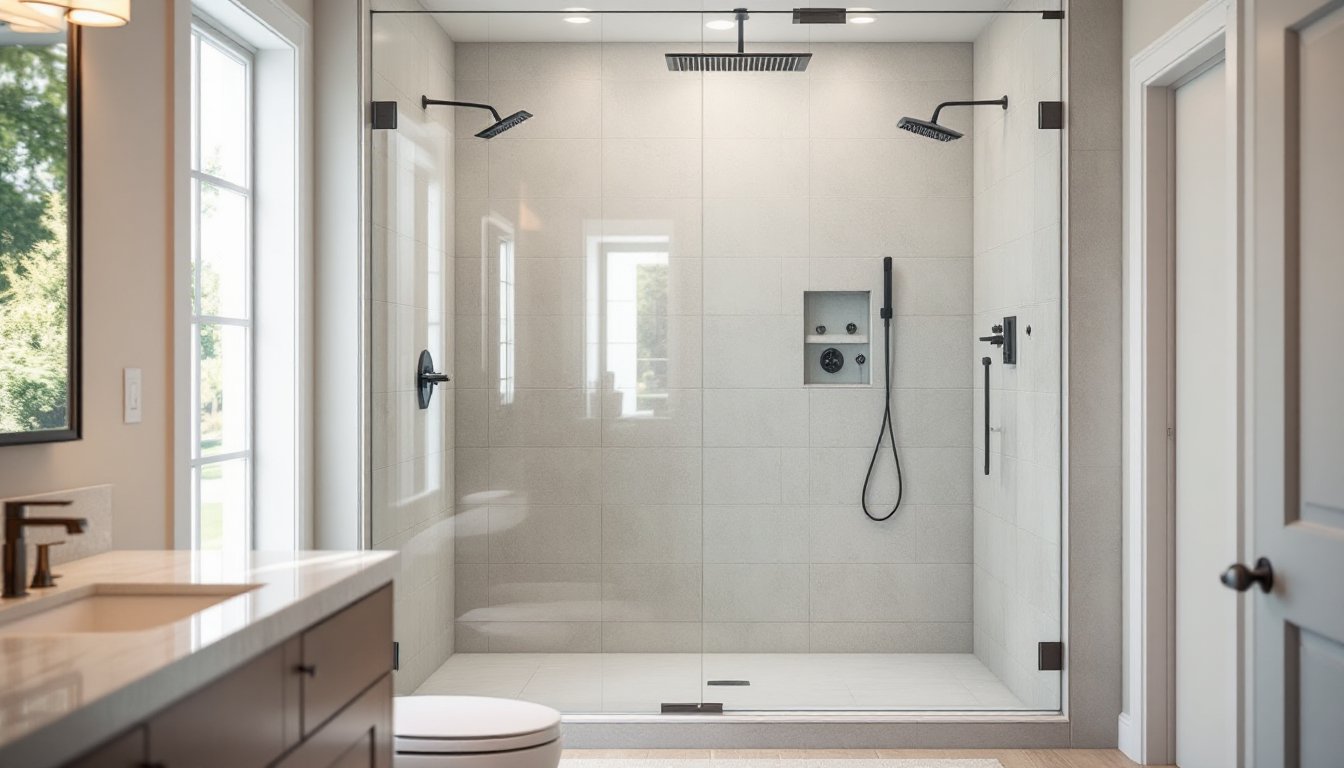
Step up to $4,000–$8,000 and you’re looking at better materials and more thoughtful design. This budget supports ceramic or porcelain tile work, a frameless glass enclosure, and higher-quality fixtures like a rain showerhead and body jets. A mid-range shower might also include a bench seat, better lighting, or ventilation upgrades. According to HomeAdvisor’s shower remodel cost guide, homeowners in this range often see walk-in showers positioned as focal points with attention to aesthetics and durability.
Mid-range projects often involve minor layout tweaks, a slightly larger footprint, repositioned plumbing lines, or upgraded drain systems. Labor is higher because installation demands more precision, but you’re not dealing with major structural moves that require permits or engineers.
Factors That Impact Walk-In Shower Pricing
Several variables shift costs up or down, sometimes dramatically. Understanding them helps you prioritize spending and avoid surprise invoices.
Size and Layout Considerations
A 48″ × 36″ walk-in is the minimum for comfort: 60″ × 42″ is considered spacious. Each additional square foot of shower base costs more in material and labor. If your current bathroom layout can’t accommodate a larger footprint without moving walls or relocating plumbing, budget for structural work. Moving a drain line might add $500–$1,500: relocating supply lines adds another $200–$800 depending on distance and difficulty.
Corner walk-in showers are cheaper than island-style (where the shower is freestanding in the center). Island showers need plumbing access on multiple sides, adding complexity and cost. Accessibility modifications, grab bars, no threshold, wider openings, don’t add much to material cost but do require thoughtful planning and may trigger code reviews. Check your local building codes about ADA compliance and accessibility standards, as requirements vary by jurisdiction.
Seismic or flood-prone areas may have additional framing requirements that push labor costs up by 10–20%. It’s worth asking your contractor upfront whether your location has special considerations.
Material and Fixture Selection
Materials account for 40–50% of total cost on most walk-in showers. Your choices here ripple through the budget quickly.
Shower pans come in acrylic ($300–$600), fiberglass ($400–$800), or custom-built with liner and mortar ($800–$2,000+). Acrylic and fiberglass are faster to install but less durable: custom-built pans last longer but cost more and require longer cure times during installation.
Tile surround varies wildly by material. Ceramic tile runs $5–$15 per square foot installed: porcelain costs $8–$25: natural stone (marble, granite, slate) ranges $15–$50+. A typical 200–300 square foot shower surround could be $1,000–$7,500 in tile alone, before grout, sealant, and labor. Subway tile and simple grid patterns cost less than intricate mosaics or large-format slabs that require more cutting and custom fitting.
Fixtures make a visible difference. A basic showerhead and mixer valve run $200–$500 installed. Add a rain showerhead, body jets, and thermostatic valve, and you’re looking at $1,000–$3,000. According to platform reviews on Angi, homeowners often underestimate how much quality fixtures improve daily experience, a good rain showerhead and comfortable mixing valve feel like a luxury upgrade for reasonable cost.
Glass enclosures (frameless or semi-frameless) cost $1,000–$3,000 depending on size and thickness. Fully tiled alcoves with no glass cost less upfront but feel more enclosed and require careful waterproofing. Frameless glass costs more but creates that open, spa-like feel many homeowners want.
Waterproofing materials matter: proper membrane underlayment ($2–$5 per square foot) prevents leaks and bathroom damage. Cheap waterproofing is false economy, a leak behind your tile can cost $3,000–$10,000 to repair.
Labor Costs and Installation Timeline
Labor typically runs 50–60% of the total cost, and this is where you see regional variation. Urban markets and high cost-of-living areas run 20–40% higher than rural regions. A plumber or bathroom specialist in a major metro area might charge $85–$150 per hour: smaller markets might see $50–$90.
A basic walk-in retrofit (new pan, simple tile, standard fixtures, minimal plumbing adjustments) takes 4–6 working days. A mid-range project with full tile work, glass enclosure, and fixture upgrades takes 2–3 weeks. Premium custom installs with intricate tilework and extended curing times can stretch 4 weeks or longer. Longer timelines mean more labor hours and potentially daily-rate premiums.
Most contractors require a 50–50 payment split: half upfront, half on completion. Some ask for a deposit plus milestone payments (framing done, tile installed, fixtures in). Avoid anyone who wants full payment upfront: it’s a red flag.
Hiring a licensed contractor costs more than unlicensed work but protects you. They carry liability insurance, pull permits where required, and can be held accountable if something goes wrong. On ImproveNet, homeowners consistently report that cheaper unlicensed quotes often lead to code violations, poor craftsmanship, and costly fixes down the road. Structural work, moving walls, relocating drains, absolutely requires permits and licensed contractors. Cosmetic updates might not, but confirm with your local building department before assuming.
Work timelines also depend on permit wait times. A simple bathroom remodel might not need a permit: significant plumbing or framing work will. Permit timelines vary from days to weeks depending on your jurisdiction. Budget an extra 2–4 weeks if permits are required.