
Table of Contents
ToggleAs technology zips ahead at lightning speed, smart home devices are proving to be more than just fancy gadgets—they’re game-changers for seniors. Imagine a world where turning on the lights or adjusting the thermostat is as easy as saying, “Hey, Google, make it cozy!” These devices aren’t just about convenience; they offer safety and peace of mind, transforming homes into secure havens for the golden years.
Overview of Smart Home Devices for Seniors
Smart home devices significantly enhance the lives of seniors by improving safety, convenience, and overall quality of life. These technologies include various tools that assist with daily activities, promote independence, and provide peace of mind.
Popular Device Categories
- Voice Assistants:
Voice assistants like Amazon Echo and Google Home allow seniors to control home devices through simple voice commands. They can play music, set reminders, or answer questions, making daily tasks easier.
- Smart Lighting:
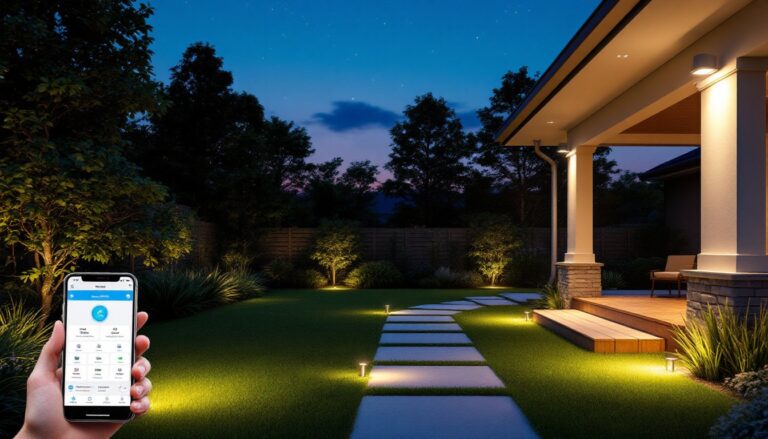
Smart light bulbs, such as Philips Hue, can be controlled remotely or via voice commands. Seniors can adjust brightness and color to enhance their environment without straining to reach switches.
- Smart Thermostats:
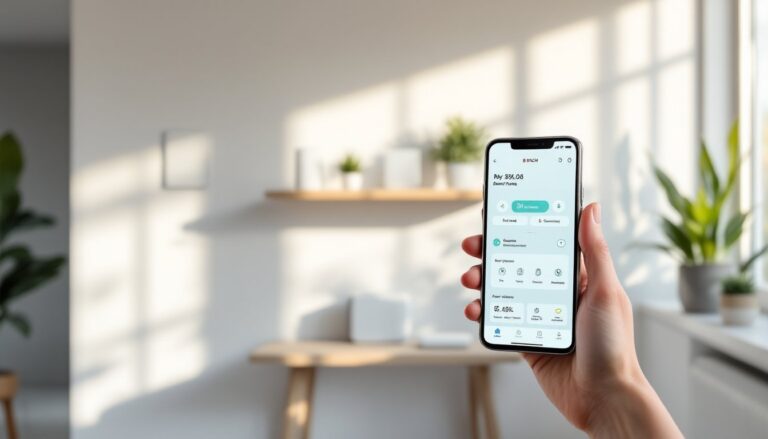
Devices like the Nest Learning Thermostat automatically adjust home temperatures, ensuring comfort and energy efficiency. Seniors can regulate temperatures using their smartphones.
- Home Security Systems:
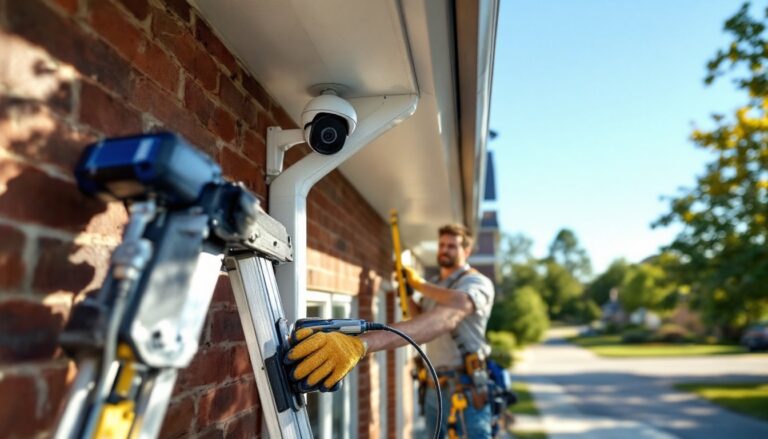
Smart security systems, including Ring doorbells and smart locks, provide real-time monitoring and alerts. These systems enhance security by allowing seniors to see visitors without opening the door.
- Fall Detection Devices:
Wearable devices like medical alert systems offer fall detection and emergency assistance. They ensure that help is just a button press away, increasing safety for seniors living alone.
Benefits of Smart Home Devices
- Enhanced Safety:
Smart home devices monitor the living environment and alert users or caregivers about emergencies.
- Increased Independence:
Seniors can manage their homes without needing assistance from others, empowering them to live independently.
- Improved Communication:
Many devices facilitate communication with family and friends, reducing feelings of isolation.
Smart home devices effectively transform residences into safer, more comfortable spaces for seniors, enabling them to maintain their independence while enjoying modern conveniences.
Benefits of Smart Home Devices
Smart home devices provide numerous benefits for seniors, significantly enhancing their safety, security, and daily living experiences.
Enhancing Safety and Security
Smart home devices improve safety and security through real-time monitoring and alerts. Smart security systems detect unusual activity, helping seniors feel safe in their homes. Fall detection devices immediately notify caregivers or emergency services when a fall occurs, ensuring prompt assistance. Additionally, smart lighting systems can be scheduled to turn on or off automatically, reducing the risk of trips and falls. Home surveillance cameras allow seniors to monitor their surroundings, providing peace of mind. With these features, seniors can live more independently, knowing that help is readily available if needed.
Improving Daily Living
Smart home devices simplify daily living by automating everyday tasks. Voice assistants enable seniors to adjust home settings using simple commands, managing everything from temperature to lighting effortlessly. Smart thermostats learn individual preferences, optimizing energy use while maintaining comfort. Additionally, smart appliances, such as refrigerators and ovens, integrate user-friendly functions, facilitating easier meal preparation. Notification systems from smart devices remind seniors about medications and appointments, promoting adherence to health routines. By streamlining these daily tasks, smart home technology enhances seniors’ quality of life and independence.
Types of Smart Home Devices
Smart home devices enhance the lives of seniors by providing support in various daily activities and ensuring safety. Below are key categories of these devices that cater to their specific needs.
Smart Assistants
Smart assistants, such as Amazon Echo or Google Nest Hub, enable seniors to control smart devices through voice commands. These assistants manage tasks like adjusting lights, setting reminders, or making calls. They foster communication with family and caregivers. Seniors can inquire about the weather, news, or even play music hands-free. This technology promotes independence and reduces reliance on others for everyday tasks.
Health Monitoring Devices
Health monitoring devices track vital signs like heart rate, blood pressure, and glucose levels. Wearable technology, such as smartwatches, alerts seniors to irregularities and reminds them about medications. Some devices offer emergency features, like fall detection, which notify emergency services when necessary. These tools empower seniors to manage their health proactively and provide peace of mind to loved ones.
Home Security Systems
Home security systems combine smart cameras, motion sensors, and alarms to enhance safety for seniors. Systems allow remote monitoring through smartphones, enabling caregivers to check in easily. Features like doorbell cameras provide visual identification of visitors, while motion detectors alert residents of unusual activity. These systems promote a sense of security and independence for older adults in their homes.
Considerations for Seniors
Selecting smart home devices for seniors requires attention to specific factors that ensure functionality and comfort. Notably, ease of use and affordability significantly influence the ideal choices for older adults.
Ease of Use
Ease of use stands as a primary consideration. Devices should feature simple interfaces, large buttons, and clear instructions. Voice-controlled systems streamline interactions, allowing seniors to execute commands effortlessly. Furthermore, customization options enable adjustments based on individual preferences, enhancing user experience. Devices with intuitive apps support remote operation, minimizing complexity. Training sessions conducted by family members or caregivers help familiarize seniors with the technology, ensuring they feel comfortable using it daily.
Affordability
Affordability plays a crucial role in the selection of smart home devices. Many seniors live on fixed incomes, making budget-friendly options essential. Some companies offer discounts or financing plans tailored specifically for seniors, promoting accessibility. Additionally, an upfront investment in smart technology can lead to long-term savings through energy efficiency and reduced utility bills. Choosing devices that provide essential features without unnecessary extras ensures cost-effectiveness while maintaining quality. Budgeting for installation and ongoing service subscriptions also helps seniors make informed financial decisions regarding smart home technology.
Smart home devices are revolutionizing the way seniors live by enhancing safety and promoting independence. These technologies simplify daily tasks and provide peace of mind through real-time monitoring and alerts. By integrating user-friendly interfaces and voice control, they empower older adults to manage their homes effortlessly.
The benefits extend beyond convenience; they foster better communication and enrich the overall quality of life. As families consider options for their loved ones, focusing on affordability and ease of use ensures that these innovations remain accessible. Embracing smart home technology can lead to a more secure and enjoyable living environment for seniors, allowing them to thrive in their own homes.