
Keeping a home in tip-top shape isn’t just for the perfectionists among us; it’s essential for everyone who wants to avoid turning their dream home into a nightmare. Picture this: a leaky roof, squeaky floors, and a garden that looks like it’s auditioning for a horror movie. With a monthly home maintenance checklist, you can dodge those disasters and ensure your castle remains a cozy haven.
Importance Of A Monthly Home Maintenance Checklist
A monthly home maintenance checklist serves as a proactive approach to homeownership. It prevents small issues from escalating into costly repairs. By following this checklist, homeowners can prioritize tasks that enhance safety and preserve property value.
A checklist facilitates organization. It outlines critical tasks such as checking smoke detectors, inspecting HVAC systems, and cleaning gutters. Performing these tasks consistently lowers the risk of unexpected problems. Regular maintenance also improves energy efficiency, potentially reducing monthly utility bills.
Documentation of maintenance tasks aids in tracking home condition over time. Homeowners can note completed tasks and schedule follow-ups on repairs or replacements. This systematic approach simplifies communication with contractors and can increase a home’s value when selling.
Risk management benefits homeowners as well. Identifying and addressing issues early prevents hazardous conditions like mold growth, water damage, or fire hazards. Homeowners can maintain a safer living environment and protect their families with routine inspections.
Establishing a routine enhances home aesthetics. Regular cleaning and maintenance create a well-kept appearance, improving curb appeal. This effort fosters pride in homeownership, creating a welcoming atmosphere for family and guests alike.
A monthly home maintenance checklist is integral to responsible homeownership. It promotes safety, efficiency, and aesthetic appeal while protecting investments. By embracing this routine, homeowners safeguard their financial interests and enjoy a more pleasant living experience.
Seasonal Tasks To Include

Seasonal maintenance tasks ensure a home’s functionality and durability year-round. Each season presents unique tasks that enhance efficiency and preserve property value.
Winter Maintenance
Winter maintenance focuses on protecting a home from cold weather hazards. Homeowners should check insulation in attics and basements to minimize heat loss. Inspect heating systems for proper operation, replacing filters as needed. Clear gutters and downspouts of debris to prevent ice dams. Additionally, test smoke and carbon monoxide detectors to ensure safety during winter months.
Spring Maintenance
Spring maintenance emphasizes rejuvenating the home after winter. Clean and inspect outdoor spaces, focusing on repairing walkways and patios. Check the roof for snow-related damage, addressing any leaks promptly. Inspect and clean air conditioning units and replace filters. Fertilize lawns and gardens, ensuring plants receive adequate nutrients for growth.
Summer Maintenance
Summer maintenance prioritizes outdoor living and energy efficiency. Inspect the exterior for peeling paint or damaged siding, addressing these issues before they worsen. Clean windows and screens, enhancing natural light and airflow. Test sprinkler systems for efficiency, adjusting timers and coverage. Regularly check for pest infestations, taking preventive measures as necessary.
Fall Maintenance
Fall maintenance prepares homes for the upcoming winter. Clean and inspect gutters, ensuring proper drainage. Service heating systems, replacing filters and addressing any repairs. Check windows and doors for drafts, applying weather stripping as needed. Inspect and drain outdoor hoses, ensuring they’re free from water to prevent freezing. Additionally, assess fire safety equipment, such as smoke detectors, ensuring all devices function properly.
Interior Home Maintenance
Regular maintenance of interior spaces contributes to a safe and pleasant living environment. Here are key areas to focus on each month.
Kitchen
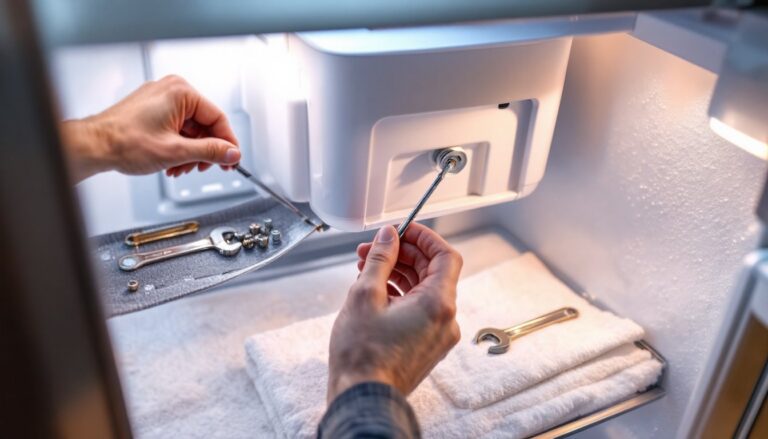
Inspect kitchen appliances for proper functionality. Clean the refrigerator coils to enhance energy efficiency and check for leaks in the dishwasher and sink. Replace water filters in refrigerators and purifiers as needed. Clean countertops and backsplashes, removing buildup that can harbor bacteria. Test all smoke detectors that are located near cooking areas to ensure they remain functional.
Bathroom
Examine faucets and showerheads for leaks, addressing any signs of water damage. Clean and disinfect surfaces to prevent mold growth. Check the toilet for running water or leaks, adjusting the flapper valve if necessary. Inspect exhaust fans, ensuring they run smoothly to minimize humidity levels. Replace air fresheners and stocks of toiletries, maintaining a fresh environment.
Living Areas
Assess smoke detectors and carbon monoxide detectors, replacing batteries if necessary. Dust furniture and vacuum carpets to maintain air quality. Inspect walls for cracks or signs of mold, addressing any issues promptly. Rearrange furniture to ensure that necessary pathways remain clear in case of emergency. Clean windows and blinds, allowing natural light to enhance the space.
Exterior Home Maintenance
Regular exterior maintenance enhances curb appeal and protects property value. Homeowners must prioritize specific tasks to ensure their home’s longevity.
Landscaping
Maintain landscaping for aesthetics and functionality. Trim shrubs and trees to promote healthy growth and prevent damage to the home. Edge sidewalks and driveways to create clean lines. Mulch garden beds to conserve moisture and deter weeds. Regularly inspect lawn areas for pests and disease, addressing issues promptly to maintain a healthy lawn. Homeowners should water plants according to their specific needs, using proper techniques to prevent over- or under-watering.
Roof and Gutters
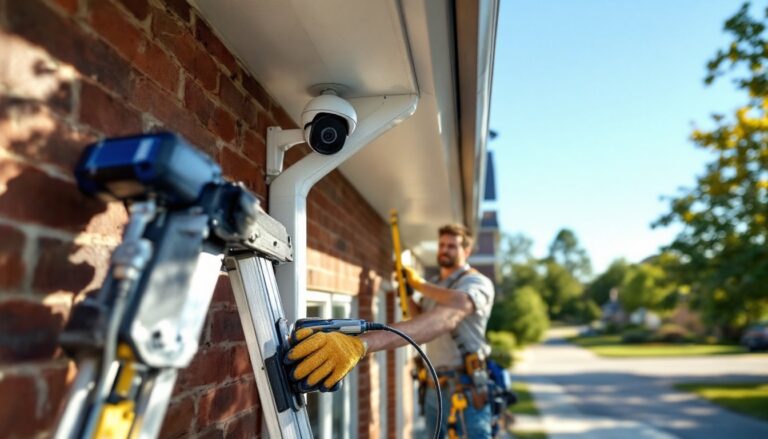
Inspect the roof at least once a month for signs of damage, such as missing shingles or leaks. Clean gutters to ensure proper water drainage, preventing potential damage to the foundation. Ensure downspouts direct water away from the home. Look for signs of mold or algae growth on the roof, addressing these promptly to prevent deterioration. All maintenance tasks performed on the roof and gutters contribute significantly to the home’s overall health and longevity.
Regular home maintenance is essential for every homeowner. By following a monthly checklist, individuals can prevent minor issues from becoming major headaches. This proactive approach not only enhances safety but also preserves property value and boosts energy efficiency.
Staying on top of maintenance tasks fosters a sense of pride in homeownership. A well-maintained home is not only more enjoyable to live in but also more appealing to potential buyers.
Ultimately, committing to a consistent maintenance routine safeguards financial investments and ensures a comfortable living environment for years to come.